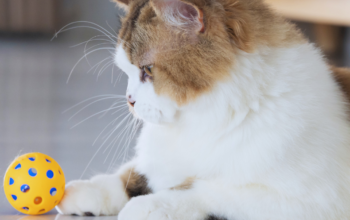

Bringing a new kitten home is an exciting experience that comes with important responsibilities. Proper care ensures your kitten grows healthy and comfortable in its new environment.
The key to caring for a new kitten is providing appropriate nutrition, a safe space, and regular veterinary care from the start. Meeting these basic needs helps prevent common health and behavioural issues.
Understanding your kitten’s needs early helps build trust and establishes a positive routine. This guide will walk you through essential tips to give your kitten the best start in life.
Preparing Your Home for a Kitten
Creating a secure and well-equipped environment is crucial when bringing a kitten home. This involves eliminating hazards, gathering necessary items, and designating a comfortable, safe zone.
Kitten-Proofing Your Space
Remove small objects like rubber bands, strings, and coins that kittens could swallow. Secure electrical cords by using cord protectors or hiding them behind furniture to prevent chewing.
Store toxic plants, cleaning products, and medicines out of reach. Keep windows and balconies closed or securely screened to avoid falls.
Check for gaps behind appliances or furniture where a kitten could get stuck. Block off access to areas like laundry rooms or basements if they contain risks.
Essential Supplies Checklist
Prepare these items before your kitten arrives:
- Litter box with low sides for easy access
- Food and water bowls, ideally stainless steel or ceramic
- Kitten-specific wet and dry food recommended by a vet
- Soft bedding or a cosy blanket in a quiet spot
- Scratching post to encourage healthy claw use
- Toys for mental and physical stimulation
- Carrier for safe transport to and from the vet
Keep supplies clean and placed in accessible locations to support routine care and comfort.
Setting Up a Safe Area
Choose a quiet, low-traffic room as the kitten’s initial habitat. This space should include the litter box, food, water, and bedding.
Ensure the area is warm, draft-free, and free of hazards. Gradually introduce your kitten to other rooms once it feels confident.
Having a defined safe space helps reduce stress and promotes easier adjustment to the new environment.
Nutrition and Feeding Guidelines
Feeding a new kitten requires careful choices and consistency. Proper nutrition supports healthy growth, while feeding routines help prevent digestive issues and overeating. Knowing how and when to introduce food ensures smooth dietary transitions.
Choosing Age-Appropriate Food
Kittens need food formulated specifically for their developmental stage. Kitten food contains higher protein, fat, and essential nutrients compared to adult cat food. Avoid adult formulas until your kitten is about 12 months old.
Both wet and dry kitten food have benefits. Wet food helps with hydration and is easier to chew, while dry food supports dental health. Mixing both can balance these advantages.
Always check labels for the AAFCO (Association of American Feed Control Officials) approval to ensure complete nutrition. Brands with this certification meet minimum nutritional standards for kittens.
Establishing a Feeding Schedule
Kittens under six months should eat 3 to 4 times daily to maintain steady energy levels and support rapid growth. Regular feeding times encourage routine and reduce begging behaviour.
Portion sizes depend on your kitten’s weight and the food’s calorie content. Follow packaging guidelines and adjust based on your vet’s advice.
Clean, fresh water must be available at all times. Avoid free-feeding adult food as it can lead to obesity and nutritional imbalances in kittens.
Transitioning to New Diets
If changing your kitten’s food, do it gradually over 7 to 10 days. Mix increasing amounts of the new food with decreasing amounts of the current food to prevent stomach upset.
Watch for signs of intolerance such as diarrhoea, vomiting, or loss of appetite during transitions. If these occur, slow the process or consult a veterinarian.
Introducing solid food usually begins around 4 weeks of age, transitioning from mother’s milk or formula. By 8 weeks, kittens can eat mostly solid food with proper hydration.
Health and Veterinary Care
A new kitten requires timely medical attention to ensure its long-term health. Early vet visits, proper vaccinations, and effective parasite control are essential parts of responsible kitten care.
Scheduling Initial Vet Visits
The first veterinary visit should happen within 48 to 72 hours after bringing the kitten home. This appointment allows the vet to perform a thorough physical exam, check for congenital issues, and discuss dietary needs.
Kittens typically need multiple visits during the first few months. The vet will monitor growth and development, perform faecal exams for parasites, and may start vaccinations during these visits.
Bring any medical records from the breeder or shelter. Note any behavioural concerns or symptoms, such as lethargy or appetite changes, as these are important to address early.
Vaccination Essentials
Core vaccines are vital to protect kittens against serious diseases. These include FVRCP (feline viral rhinotracheitis, calicivirus, and panleukopenia) and rabies, usually given in a series starting at 6 to 8 weeks old.
Vaccination typically follows this schedule:
- 6-8 weeks: 1st FVRCP
- 10-12 weeks: 2nd FVRCP
- 14-16 weeks: 3rd FVRCP plus rabies vaccine
Non-core vaccines, like FeLV (feline leukaemia virus), are recommended if the kitten will have outdoor access.
Keep detailed records of all vaccinations. Follow the vet’s advice for boosters and specific vaccine timing based on local disease risks.
Parasite Prevention and Deworming
Kittens are prone to intestinal parasites like roundworms and hookworms. Deworming should start as early as 2 weeks of age and continue every 2 weeks until 8 weeks, then monthly until 6 months.
Flea prevention is also important to avoid anaemia and skin problems. Use only vet-approved flea treatments safe for kittens.
Regular faecal exams identify parasite infestations. Your vet may recommend heartworm preventatives depending on your location. Maintain a clean environment to reduce parasite exposure.
Litter Training Your Kitten
Proper litter training requires choosing the right equipment, encouraging consistent use, and addressing any problems early. Each factor contributes to setting good habits and preventing accidents.
Selecting the Right Litter Box
Choose a litter box that is easy for your kitten to access. For very young kittens, pick a shallow box with low sides. This allows easy entry and exit without frustration.
The box size should be large enough for turning around comfortably, but not so big that the kitten feels lost. Covered boxes trap odours but can be intimidating; an open box is usually better for beginners.
Use unscented, clumping litter that is soft on paws. Avoid clumping litter if your kitten is under 8 weeks old because ingestion risks exist.
Place the box in a quiet, low-traffic area. Avoid spots near food or sleeping areas. Keep multiple boxes if you have several floors in your home or multiple kittens.
Encouraging Proper Use
Show your kitten where the litter box is immediately. Gently place them inside after meals and naps since they naturally need to go then.
Use positive reinforcement, such as calm praise or a treat, after they use the box. Avoid punishment, which can cause fear and confusion.
Clean the box regularly, ideally daily, to keep it inviting. Kittens won’t use a dirty box. Replace litter completely once a week to reduce odour buildup.
If your kitten shows signs of not understanding, gently place them back in the box after accidents and maintain consistent routines.
Troubleshooting Common Issues
If your kitten avoids the box, check for cleanliness and location suitability first. A dirty or noisy spot can deter use.
Watch for signs of stress or illness, which can affect training. Consult a vet if accidents persist despite good practices.
Avoid sudden litter or box changes, which can confuse kittens. Transition gradually by mixing old and new litter if necessary.
If your kitten urinates outside the box, place a portable litter box at that spot to encourage correct use. Gradually move it to the permanent location.
Persistent problems warrant patience and consistency in training. Avoid harsh responses.
Socialisation and Behaviour Basics
Proper interaction and clear boundaries are essential to help a kitten grow into a well-adjusted cat. Building comfort with people, encouraging good behaviour, and setting limits during playtime ensure positive development.
Introducing Your Kitten to Family Members
Start by letting your kitten meet family members one at a time in a quiet room. Keep interactions calm and gentle to avoid overwhelming the kitten. It is important for each person to offer treats or use soft voices to build trust.
Supervise initial encounters, especially with children or other pets. Encourage slow movements and avoid loud noises. Gradually increase exposure time as the kitten becomes more comfortable.
Consistency in these meetings helps the kitten associate people with safety and kindness. This foundation reduces fear and aggression later.
Positive Reinforcement Techniques
Use treats, petting, and praise to reward good behaviour. For example, give a small treat when the kitten uses the litter box correctly or scratches on a post, not furniture.
Avoid punishment, as it can cause fear or aggression. Instead, redirect unwanted behaviours calmly. For instance, if the kitten bites, stop play and offer a toy instead.
Timing is critical—reward immediately after good behaviour. This clear connection helps the kitten learn what is expected.
Positive reinforcement encourages cooperation and strengthens the bond between you and the kitten.
Managing Playtime and Boundaries
Play stimulates your kitten’s hunting instincts but needs limits. Use toys like feather wands or balls to engage without using your hands or fingers directly. This prevents the kitten from confusing your body parts with toys.
Set specific times for play to create a routine and reduce overexcitement. If the kitten becomes too rough, pause play and give a quiet break.
Teach boundaries by saying “no” firmly but calmly when necessary. Redirect energy to acceptable objects. Over time, the kitten learns what behaviour is allowed and gains self-control.
Daily Grooming and Hygiene
Maintaining a kitten’s hygiene involves regular brushing, nail care, and dental health practices. Each area requires attention to keep your kitten clean, comfortable, and healthy from an early age.
Brushing and Coat Care
Brushing your kitten daily helps remove loose fur and dirt, and prevents matting, especially for long-haired breeds. Use a soft-bristled brush or a comb designed for kittens to avoid irritating their skin.
Short-haired kittens benefit from brushing once or twice a week, while long-haired kittens need daily grooming. Regular brushing also reduces shedding and hairballs by catching loose fur before your kitten swallows it.
Keep grooming sessions short and gentle. Start slowly, increasing time as your kitten becomes comfortable. Always check for fleas, ticks, or skin problems during brushing.
Nail Trimming Tips
Kittens’ nails grow quickly and require trimming every one to two weeks to prevent scratches and damage to furniture. Use small, sharp nail clippers made for pets to ensure clean cuts.
Hold your kitten gently but firmly. Trim only the sharp tips, avoiding the pink quick inside the nail, which contains nerves and blood vessels. If unsure, trim just the white tip.
If your kitten struggles, offer treats or breaks to reduce stress. Regular trimming helps keep nails healthy and prevents accidental injury to both the kitten and people.
Dental Hygiene for Kittens
Start dental care early by gently brushing your kitten’s teeth with a kitten-safe toothbrush and toothpaste. Daily brushing prevents plaque buildup and helps avoid early dental disease.
Use toothpaste formulated specifically for cats—human toothpaste is toxic to them. Gradually introduce brushing, beginning with your finger or gauze wrapped around a finger before moving to a toothbrush.
Regular vet dental checks are vital to monitor and maintain oral health. Healthy teeth improve your kitten’s eating comfort and overall wellness.
Creating an Enriching Environment
A kitten needs physical and mental challenges to develop properly. Providing the right tools and space encourages healthy behaviour and reduces stress.
Toys and Mental Stimulation
Choose toys that mimic natural hunting behaviours, like feather wands, laser pointers, and small balls. Rotate toys regularly to keep your kitten interested. Puzzles that dispense treats help develop problem-solving skills and provide mental exercise.
Avoid toys with small parts that could be swallowed. Always supervise playtime to prevent accidents. Interactive play sessions lasting 10-15 minutes, two to three times a day, are ideal for engagement and energy release.
Safe Exploration and Climbing
Kittens need safe places to climb and explore to build strength and coordination. Cat trees with multiple levels and scratching posts satisfy this need. Place these in quiet corners to provide a secure feeling.
Ensure climbing structures are stable to prevent falls. Windows with secure screens encourage safe observation of the outside world, adding enriching visual stimuli without risk.
Preventing Boredom
Bored kittens may develop destructive behaviour. Keep a variety of toys accessible, but change the selection often to maintain interest. Scheduled interactive play sessions help prevent restlessness.
Provide hiding spots and different textures to explore, such as cardboard boxes or fabric tunnels. Feeding toys slows down eating while keeping your kitten mentally occupied.
Kitten Growth and Development Milestones
A kitten’s growth involves rapid physical changes, evolving behaviours, and important nutritional needs. Understanding these aspects helps ensure proper care at each stage.
Tracking Physical Changes
Kittens typically double their birth weight by two weeks and gain about 10-15 grams daily after. Eyes open around 7-10 days, starting blue in colour, shifting as they mature. By 3-4 weeks, kittens begin standing and walking unsteadily. Teeth eruption starts at 3 weeks with deciduous incisors, progressing through canines and molars by 8 weeks.
Weight, coat condition, and eye clarity are key health indicators. Monitor these closely, especially during the first two months. Sudden weight loss or failure to gain weight requires veterinary attention. Physical milestones are predictable but can vary slightly per individual.
Behavioural Markers by Age
Newborn kittens sleep 90% of the time and rely on nursing. Between 3-4 weeks, social behaviours emerge—playful biting, pawing, and hissing develop. Vocalisation increases, ranging from soft mews to louder cries when seeking attention.
By 5-7 weeks, kittens explore, practice hunting skills, and interact with littermates. Litter box training generally begins between 3-4 weeks and solidifies by 6-7 weeks. Around 8 weeks, kittens show clear play preferences and independence but still require guidance.
Supporting Healthy Growth
Quality nutrition is crucial—until 4 weeks, mother’s milk or kitten formula is essential. After this, introduce wet, high-protein kitten food gradually. Frequent feeding—4-6 times daily—is necessary until 12 weeks old.
Ensure a warm, safe environment, as kittens cannot regulate body temperature well before 4 weeks. Regular veterinary check-ups must include vaccinations, deworming, and monitoring growth curves. Enrichment through play and gentle handling supports physical and emotional health.
Travelling and Introducing New Experiences
When travelling with a kitten or introducing new experiences, safety, patience, and observation are essential. These steps help reduce stress and encourage positive adaptation.
Safe Transportation Practices
Use a secure, well-ventilated carrier specifically designed for cats when transporting your kitten. The carrier should have a soft mat or blanket for comfort.
Place the carrier on a stable surface in the vehicle, avoiding the front seat where airbags could pose a risk. Keep windows closed or only slightly open to prevent escapes.
To minimise stress, cover the carrier with a lightweight cloth to limit visual stimuli. Speak softly to your kitten during the trip. Always bring familiar items, like a favourite toy or blanket, to provide a sense of security.
Gradual Introduction to Other Pets
Introduce new pets slowly and under controlled conditions. Begin by allowing your kitten and resident pets to smell each other through a closed door or gate.
Next, exchange bedding or toys to familiarise them with each other’s scent. When ready for supervised face-to-face interaction, keep the initial sessions short and positive.
Use treats to reward calm behaviour and separate the animals immediately if either shows aggression or fear. Gradually increase interaction time over days or weeks, always monitoring body language.
Handling Stressful Situations
Recognise signs of stress such as hiding, excessive grooming, or vocalising. Provide your kitten with a quiet space to retreat to when feeling overwhelmed.
Use pheromone diffusers or sprays to create a calming environment. Maintain a predictable routine for feeding and play to give your kitten a sense of control.
If stressful situations continue or escalate, consult a veterinarian or animal behaviourist for tailored advice and possible interventions.
Long-Term Care Considerations
Kittens grow quickly, and their care needs will change as they become adults. Regular veterinary check-ups are essential for vaccinations, parasite control, and monitoring overall health.
A balanced diet supports growth and long-term wellness. Transition gradually from kitten food to adult cat food, typically around one year of age. Ensure access to fresh water at all times.
Socialisation and mental stimulation remain important as your kitten matures. Provide interactive toys, scratching posts, and safe spaces for exploration to prevent boredom and destructive behaviour.
Regular grooming helps maintain a healthy coat and allows early detection of skin issues or parasites. Brush short-haired cats weekly, and long-haired cats daily, to reduce matting and hairballs.
Dental care should not be overlooked. Start brushing your cat’s teeth early, and schedule professional cleanings when recommended by your vet.
Create a stable, enriched environment with clean litter boxes and designated eating areas. Cats thrive on routine and familiarity, which reduces stress and behavioural problems.
| Care Aspect | Frequency/Notes |
| Vet Visits | At least once a year, more if needed |
| Diet Transition | Around 12 months |
| Grooming | Weekly (short hair), daily (long hair) |
| Dental Care | Brush regularly, professional checks annually |
Long-term commitment to health and well-being will ensure your cat leads a happy, comfortable life.