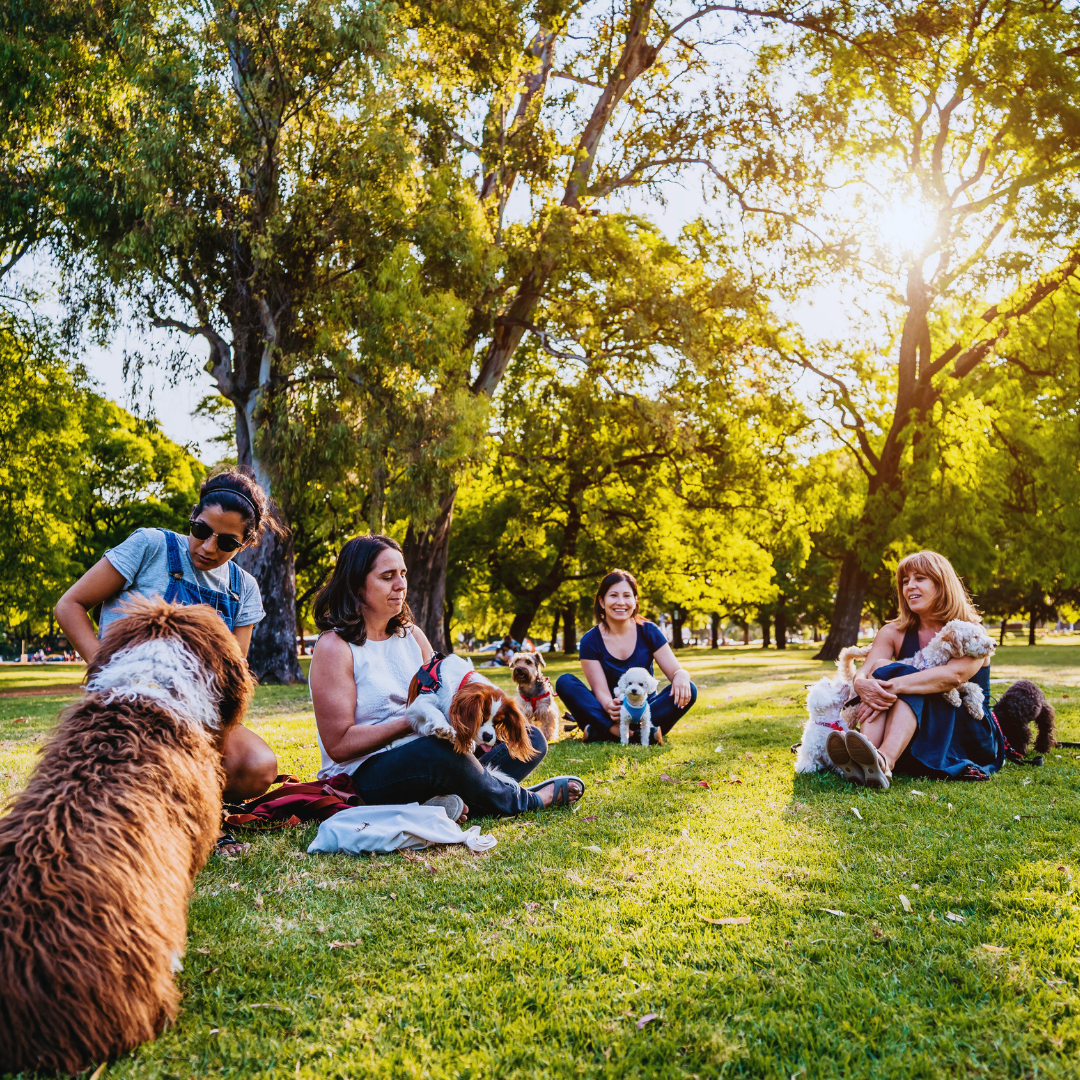
Socialising your dog is essential for their well-being and behaviour. The best way to socialise your dog is through controlled, positive interactions with a variety of people, animals, and environments starting at an early age. This helps them build confidence and reduces fear or aggression.
Regular exposure to new situations in a calm and safe manner teaches your dog how to react appropriately. Consistency and patience during these interactions are key to successful socialisation. Learning these methods will guide you in raising a balanced and happy dog.
Why Socialisation Matters for Dogs
Socialisation helps dogs develop the skills needed to interact safely and confidently with people, other animals, and different environments. It affects their behaviour, emotional well-being, and ability to handle new experiences throughout life.
Benefits of Dog Socialisation
Proper socialisation improves a dog’s ability to communicate and respond appropriately in various situations. Socialised dogs are less likely to show fear or aggression when meeting strangers or encountering other dogs.
It also promotes mental stimulation, reducing boredom and destructive behaviours. Dogs comfortable in social settings are often easier to train and adapt better to changes like new homes or routines.
Socialisation supports positive interactions during vet visits, grooming, and public outings, enhancing a dog’s overall quality of life.
Risks of Poor Socialisation
Dogs that lack early socialisation can develop anxiety, fear, and aggressive tendencies. They may overreact to unfamiliar people or animals, which can lead to dangerous situations.
Unsocialised dogs might struggle with routine experiences such as car rides or noisy environments. This can result in stress-related health issues or behavioural problems.
Without exposure to diverse stimuli early on, dogs often face long-term challenges in adapting to new environments, limiting their social interactions and quality of life.
Socialisation Timing and Critical Periods
The key window for socialisation occurs between 3 and 14 weeks of age. During this time, puppies are most receptive to new experiences and can learn to accept a variety of sights, sounds, and smells.
Positive exposure during this period sets the foundation for future behaviour. After this window, socialisation remains important but requires more patience and consistent effort.
Continued socialisation through adolescence and adulthood can prevent regression and help maintain confident, well-adjusted behaviour.
Preparing Your Dog for Socialisation
Successful socialisation starts with understanding your dog’s personality, ensuring their health is protected, and establishing basic obedience. These factors create a foundation that helps your dog interact calmly and confidently with others.
Understanding Your Dog’s Temperament
Each dog has a unique temperament that influences how it responds to new people and dogs. Some dogs are naturally outgoing, while others may be shy or cautious. Recognising your dog’s comfort zones helps tailor socialisation efforts to avoid stress or fear.
Observe your dog’s body language closely. Signs like wagging tails and relaxed postures indicate comfort, while stiff movements or avoidance suggest anxiety. Gradually introduce new experiences at your dog’s own pace, allowing positive associations through treats and praise.
Familiarity with your dog’s temperament also helps in selecting suitable social environments. For example, a timid dog may benefit more from quiet, controlled settings rather than busy dog parks where interactions are more unpredictable.
Health and Vaccination Considerations
Before socialising, confirm your dog’s vaccinations are up to date. Core vaccines typically include rabies, distemper, parvovirus, and adenovirus. These protect your dog from diseases that are commonly found in group settings.
Also, consult your veterinarian about additional vaccines or parasite preventatives based on local risks. Flea, tick, and heartworm prevention are important to maintain overall health during outdoor interactions.
Check your dog for any signs of illness before social events and avoid socialising if your dog is sick. A healthy dog reduces the risk of transmitting or contracting diseases in social environments, protecting both your pet and others.
Essential Training Commands
Basic obedience commands provide control and safety during socialisation. Teach your dog commands like sit, stay, come, and leave it before exposing them to new social situations.
These commands help manage your dog’s behaviour by interrupting unwanted actions or refocusing their attention. For example, “come” is essential for calling your dog away from potential conflicts or distractions.
Start training in low-distraction environments and gradually increase difficulty. Consistent, positive reinforcement strengthens your dog’s response, making social interactions smoother and safer for everyone involved.
Safe and Effective Socialisation Techniques
Proper socialisation requires gradual exposure to new people, dogs, and environments while using positive reinforcement. Techniques should prioritise safety, comfort, and control to build confident, well-adjusted dogs.
Introducing Your Dog to New People
Start introductions in a calm, controlled setting to avoid overwhelming your dog. Allow the dog to approach at their own pace rather than forcing interaction.
Ask new people to crouch down and offer a relaxed posture. Avoid sudden movements or loud noises that may startle the dog.
It’s helpful to have the person offer a treat or use a soft voice to encourage trust. Watch for signs of stress like lip licking or turning away, and pause if needed.
Repeat short, positive encounters regularly to help your dog build comfort with different people.
Exposing Your Dog to Other Dogs
Introduce dogs in neutral areas, such as a quiet park, to prevent territorial behaviour. Keep both dogs on a loose leash and observe their body language closely.
Start with parallel walking to allow visual and scent exposure without direct contact. If both dogs seem relaxed, allow a brief, supervised sniff and interaction.
Never force interaction if one dog shows signs of anxiety or aggression. Interrupt unwanted behaviours calmly and redirect attention.
Socialisation with a variety of dogs improves communication skills, but always prioritise safety to avoid negative experiences.
Socialising in Different Environments
Expose your dog to various sounds, surfaces, and settings gradually—busy streets, parks, and indoor spaces are good starting points. Short, frequent visits prevent overstimulation.
Consistency is key when introducing new environments. Use a calm voice and allow your dog to explore at its own pace.
Carry familiar items like a favourite toy or blanket for comfort. Avoid crowded places until your dog is more comfortable with new stimuli.
Varying environments strengthen adaptability while reducing fear and anxiety in unfamiliar situations.
Using Treats and Rewards
Use high-value treats to reward calm and appropriate social behaviour. Timing is crucial—deliver the reward immediately after the desired behaviour.
Praise and treats reinforce positive associations with social experiences. Avoid overfeeding by using small, healthy pieces.
Rewards can be verbal, tactile (petting), or food-based, depending on what motivates your dog most. Consistency in reward delivery boosts learning efficiency.
Stop treats gradually once your dog reliably exhibits good social behaviour, maintaining positive reinforcement with praise.
Supervised Socialisation Activities
Socialising a dog should be done in controlled settings where interactions are monitored and positive. A balance of structured learning and free play helps build confidence and appropriate behaviours around others.
Puppy Classes and Group Training
Puppy classes provide a controlled environment where dogs learn to engage with others under professional supervision. These sessions focus on basic commands, bite inhibition, and exposure to new sounds and sights.
Trainers guide handlers on how to reinforce good behaviour and gently correct mistakes. Classes typically include exercises that encourage dogs to meet peers calmly without overwhelming them.
Regular attendance builds consistency and accelerates social skill development. It also offers a chance to address specific behavioural concerns early with expert advice.
Dog Parks and Playdates
Dog parks offer open spaces for dogs to interact freely, but require active supervision from owners. Observing body language is crucial to prevent and quickly intervene in aggressive or fearful behaviour.
Playdates with familiar dogs create safe opportunities for repeated, positive social experiences. Scheduling meetups with dogs of similar size and play style minimises the risk of injury or stress.
Always ensure vaccinations are current before visiting communal areas. Keeping interactions calm and brief at first helps dogs acclimate to new social settings.
Pet-Friendly Public Spaces
Exploring pet-friendly cafés, stores, or outdoor markets exposes dogs to diverse people and environments. These outings teach dogs to remain calm amid noises, crowds, and distractions.
Owners should keep their dogs leashed and close to maintain control. Use treats and commands to reward calm behaviour around strangers and other animals.
Short trips build tolerance to different social stimuli without overwhelming the dog. Over time, these experiences foster adaptability and reduce anxiety during daily walks or errands.
Socialisation at Home
Creating a controlled and safe environment helps your dog adjust to different people, sounds, and objects. This process builds confidence and prepares them for the outside world.
Inviting Guests to Your Home
Allow your dog to meet a variety of guests in your home to build comfort around new people. Start with calm, familiar visitors and ask them to ignore your dog initially. This prevents overwhelming your dog and encourages curiosity.
Use treats to reward calm behaviour and allow your dog to approach guests on their own terms. Vary the types of visitors, including children, adults, and people with different appearances. This exposure reduces fear of strangers and develops social skills.
Always supervise interactions and never force contact. Gradual exposure is key for a relaxed, confident dog in social settings.
Noise and Sound Desensitisation
Familiarising your dog with common household sounds reduces anxiety. Sounds like doorbells, vacuum cleaners, or kitchen appliances can startle an unaccustomed dog.
Start with low volumes and increase gradually over days or weeks. Pair sounds with positive reinforcement, like treats or praise, to associate them with good experiences.
Use recordings of outdoor noises or traffic to build tolerance for real-world environments. Consistent exposure helps your dog remain calm when encountering unexpected noises later.
Introducing New Household Items
Bringing new objects into your home can confuse or scare a dog if done abruptly. Introduce items such as furniture, decorations, or electronic gadgets slowly.
Allow your dog to sniff and explore new things at their own pace. Reward calm inspection to encourage positive associations. Avoid forcing interaction or abrupt changes to the environment.
If possible, rotate new items in gradually, especially if they affect your dog’s usual space. This prevents stress and strengthens their ability to adapt to change.
Handling Challenging Behaviours During Socialisation
Socialising a dog can present difficulties that require specific strategies. Managing fear, anxiety, aggression, or knowing when to get professional help is crucial for successful socialisation.
Dealing With Fear and Anxiety
Fear and anxiety in dogs often show as trembling, hiding, or avoidance. Gradual exposure to new situations using positive reinforcement helps reduce stress. Start with calm, controlled environments and use treats to reward relaxed behaviour.
Avoid forcing interactions. If a dog shows signs of distress, give space and time. Consistency and patience are essential. Creating a safe space where your dog can retreat if overwhelmed is also beneficial.
Monitoring your dog’s body language helps identify increasing anxiety early. Signs like lip licking, yawning, or stiff posture suggest discomfort before escalation.
Addressing Aggression or Reactivity
Aggression or reactivity can manifest as barking, lunging, or growling during socialisation. Identify triggers such as unfamiliar dogs, people, or loud noises.
Use counter-conditioning by pairing triggers with positive experiences like treats or praise. Avoid punishment, which can worsen aggression. Controlled and gradual exposure under calm conditions can desensitise your dog.
Implement management tools such as leashes, muzzles, or barriers to prevent unwanted incidents. Focus on teaching alternative behaviours, like sitting or looking at you when confronted with triggers.
When to Seek Professional Help
If aggression escalates or fear prevents any progress, consult a professional trainer or behaviourist. Look for certified experts who specialise in force-free methods.
Professional guidance is necessary when behaviours become unsafe or if previous attempts at training have failed. Early intervention can prevent worsening problems.
Veterinarians may also assess if medical issues influence behaviour. Combining medical and behavioural approaches often leads to better outcomes.
Maintaining Positive Socialisation Throughout Life
Socialisation is not a one-time event but a lifelong process that requires attention. Consistency, awareness of changes in behaviour, and adjustments for ageing dogs are critical to sustaining well-rounded social skills.
Ongoing Socialisation Strategies
Regular exposure to new environments, people, and other animals helps reinforce positive social behaviour. Schedule weekly visits to dog parks, training classes, or pet-friendly stores to keep your dog engaged.
Use controlled introductions with unfamiliar dogs to avoid overwhelming your pet. Positive reinforcement through treats and praise during social interactions strengthens good habits.
Keep your dog’s routine varied by including different social settings, such as quiet parks and bustling urban areas. Rotation prevents boredom and sharpens adaptability.
Monitoring Behavioural Changes
Watch for shifts in your dog’s reactions during social encounters. Signs like increased fear, aggression, or avoidance can indicate stress or discomfort.
Maintain a journal or app log to track behaviours and note triggers. Early recognition allows for timely intervention before issues worsen.
Consult a professional trainer or veterinarian if negative behaviours emerge consistently. Addressing problems early improves outcomes and helps maintain your dog’s social health.
Adapting Socialisation for Senior Dogs
Ageing dogs may develop physical limitations or sensory decline that affect social interactions. Modify outings to shorter, low-intensity sessions to suit their stamina.
Introduce new experiences carefully, considering changes in vision, hearing, or mobility. Gentle social strokes and calm environments are preferable.
Focus on familiar, trusted companions over unfamiliar dogs to avoid stress. Maintain mental stimulation with interactive toys or gentle play to support cognitive health.