Keeping cats entertained is essential for their mental and physical health. Simple, engaging activities can prevent boredom and destructive behaviour. Interactive toys, puzzle feeders, and regular playtime are the best ways to keep cats entertained and stimulated.
Cats also benefit from environmental enrichment like climbing trees, scratching posts, and video stimulation. Providing varied options ensures they stay active and curious. Understanding what captures a cat’s interest helps maintain their happiness over time.
Understanding Cat Behaviour
Cats need mental and physical engagement to stay healthy and happy. Recognising signs of boredom and understanding their natural instincts can guide you in choosing effective ways to entertain them.
Why Mental Stimulation Matters
Mental stimulation keeps a cat’s brain sharp and helps prevent behavioural problems like aggression or excessive vocalisation. Cats that lack engagement may develop anxiety or destructive habits.
Interactive toys, puzzle feeders, and training sessions provide essential challenges. These activities mimic hunting and problem-solving, which fulfil cognitive needs and reduce stress.
Continuous stimulation also encourages physical activity, which supports overall health and weight management. Mental engagement can delay cognitive decline in older cats.
Common Signs of Boredom in Cats
Bored cats often show destructive behaviour such as chewing furniture or scratching in inappropriate places. Excessive grooming or sudden aggression can also signal boredom.
Other signs include loud meowing, restlessness, and oversleeping. These behaviours indicate a lack of outlets for energy and mental activity.
Observing your cat’s routine and behaviour helps identify if boredom is present. Addressing these signs early prevents them from becoming permanent habits.
Natural Instincts and Play
Cats’ play is driven by instincts for hunting and territorial defence. Toys that mimic prey, like feather wands or laser pointers, activate these natural drives.
Providing safe environments for stalking, chasing, and pouncing satisfies their need for exercise and mental challenge. Play sessions also strengthen the bond between cat and owner.
Understanding and respecting a cat’s instincts allows for tailored entertainment that aligns with their behaviour, improving wellbeing and engagement.
Interactive Play Strategies
Engaging cats through hands-on activities and mentally stimulating tools helps maintain their interest and physical health. Using different types of toys and regularly changing routines can prevent boredom and encourage natural hunting instincts.
Using Wand and Teaser Toys
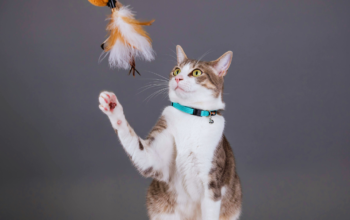
Wand and teaser toys simulate prey movements, triggering a cat’s natural hunting behaviour. Moving the toy unpredictably keeps cats focused and encourages them to jump, pounce, and chase.
Choose wands with feathers, bells, or small mice attachments for varied textures and sounds. Short play sessions, about 10-15 minutes, are ideal to keep the cat’s interest high without causing fatigue. Avoid letting cats catch the toy too often to maintain the challenge.
Safety matters: use toys designed for cats and avoid string or small parts that could be swallowed. Always supervise playtime to prevent accidents.
Incorporating Puzzle Feeders
Puzzle feeders combine play with feeding, stimulating a cat’s problem-solving skills. These devices require cats to manipulate mechanisms or retrieve food from compartments.
Using puzzle feeders slows down eating and provides mental engagement. Cats work for their food, which mimics natural hunting and foraging. Start with simple puzzles and increase difficulty as your cat learns.
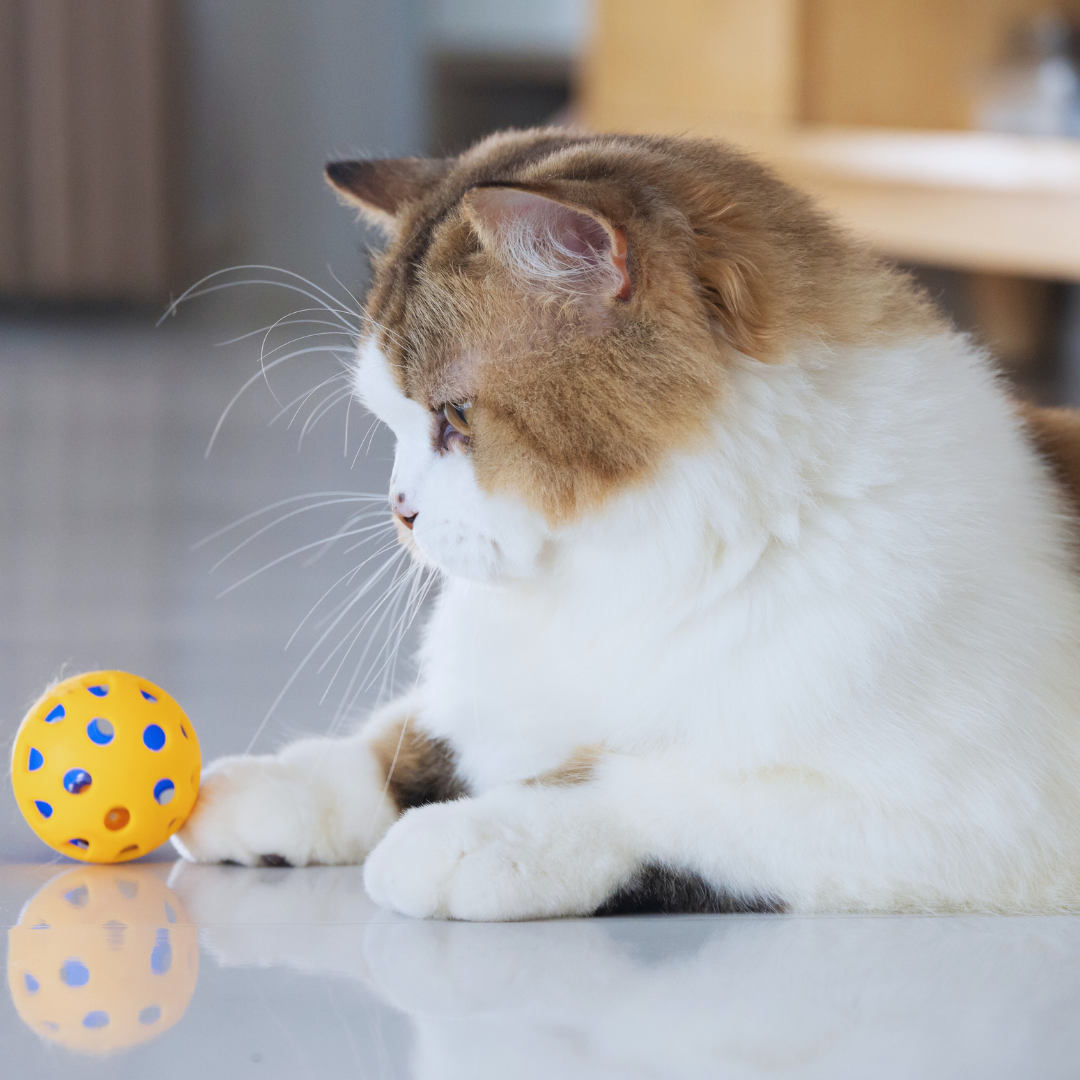
Common types include treat balls, sliding blocks, and compartment boxes. Ensure the puzzle fits your cat’s size and skill to avoid frustration. Clean feeders regularly to maintain hygiene.
Rotating and Varying Toys
Rotating toys keeps playtime interesting by preventing toys from becoming stale. Introduce different shapes, textures, and sounds to stimulate various senses.
Store some toys away and reintroduce them periodically. This practice renews excitement and curiosity. Include a mix of interactive, solo, and chewable toys for versatility.
Observe your cat’s preferences and adjust rotations based on which toys get more engagement. Avoid having too many toys out at once, which can overwhelm the cat.
Environmental Enrichment Ideas
Providing a stimulating environment helps keep cats active and reduces boredom. Key approaches involve structures for climbing, access to engaging outdoor views, and controlled outdoor activities.
Setting Up Cat Trees and Scratching Posts
Cat trees offer multiple levels for climbing, jumping, and resting. Choose sturdy ones with platforms of varying heights to satisfy a cat’s natural climbing instinct. Materials like carpet, sisal, or wood are ideal for scratching.
Arrange scratching posts near resting or play areas. This encourages healthy claw maintenance and marks territory, reducing destructive behaviour. Replace worn-out scratching surfaces regularly to maintain interest.
Position cat trees near windows or social spaces to combine resting spots with visual stimulation. This setup encourages cats to use the furniture more frequently and enriches their daily routine.
Creating Window Perches
Window perches give cats a vantage point for observing outdoor activity. Select wide, flat surfaces with secure attachments to prevent falls or instability.
Install perches where sunlight reaches, providing warmth alongside entertainment. Clean windows regularly to improve visibility and attract birds or other wildlife, which boosts engagement.
For added interest, position bird feeders or wind chimes outside the window. This creates a dynamic environment, encouraging watching behaviour that can last for hours.
Designing Safe Outdoor Experiences
Supervised outdoor time or secured enclosures allow cats to explore safely. Use cat harnesses and leashes for controlled walks to prevent escapes or injury.
Consider building “catios,” enclosed patios that offer fresh air and nature exposure without risks from traffic or predators. These spaces should include climbing features, resting spots, and shade.
Regularly check the outdoor area for hazards like toxic plants or insect nests. Rotate toys and introduce new scents to stimulate curiosity during outdoor sessions.
DIY Entertainment Solutions
Creating engaging activities for cats at home can be simple and inexpensive. Using common household items and basic setups, you can keep your cat active and curious. These ideas encourage natural behaviours like hunting, climbing, and exploring.
Homemade Toys With Everyday Items
Cats respond well to toys that mimic prey or stimulate their senses. Simple items like crumpled paper balls, cardboard tubes, or bottle caps can provide hours of fun.
You can make a feather teaser by attaching feathers to a string tied to a stick. Move it slowly to imitate fluttering prey. Another easy option is filling a sock with catnip and tying it off to create a soft, scented toy.
Avoid small parts that could be swallowed. Regularly check toys for wear and replace them if damaged to keep play safe.
DIY Obstacle Courses
Cats enjoy vertical and complex spaces. Use cardboard boxes, cushions, and furniture to build a course that encourages climbing and jumping.
Stack boxes to form tunnels or platforms. Add cushions for soft landing spots. Tape or Velcro can secure unstable parts.
Include hiding spots and elevated areas to stimulate natural instincts. Change the setup periodically to maintain interest and physical activity. This approach helps channel energy constructively and keeps cats mentally sharp.
Social Stimulation Methods
Engaging cats socially can boost their mental health and reduce boredom. Effective techniques involve direct interaction with owners and facilitating play between multiple cats.
Interactive Playtime With Owners
Regular, focused play sessions with owners strengthen bonds and provide necessary mental and physical exercise. Use wand toys, laser pointers, or feather teasers to mimic prey behaviours, which stimulate a cat’s natural hunting instincts.
Schedule short sessions, about 10–15 minutes, two or three times a day. This frequency helps maintain interest without causing fatigue. Use varied toys to prevent predictability and boredom. Always let the cat catch the “prey” occasionally for satisfaction.
Avoid using hands or strings without toys to prevent accidental bites. After play, offer a small treat or petting to reinforce positive associations. Consistency matters; cats learn routines and look forward to interaction times.
Encouraging Play Between Cats
Introducing or maintaining multiple cats in a household requires attention to their social dynamics. Encourage cooperative play to reduce conflicts and build positive relationships. Provide shared toys like balls or interactive puzzle feeders designed for multiple users.
Set up play areas with multiple spots for hiding, climbing, and chasing to avoid territorial disputes. Supervise initial sessions and separate cats if aggression occurs. Reward peaceful interactions with treats or praise to encourage friendly behaviour.
Rotate toys and play locations to keep interest high. This variety supports ongoing engagement and prevents rivalry over favoured objects. Social play combined with proper space and resources supports healthier cat interactions.
Leveraging Technology for Cat Entertainment
Modern technology offers several options to engage cats with minimal effort. Interactive devices and digital content can stimulate their natural hunting instincts and keep them mentally active.
Automated Laser Toys
Automated laser toys provide unpredictable movements that capture a cat’s attention. These devices often feature random or programmable patterns, mimicking the erratic behaviour of prey. Many models can be set on timers to provide scheduled play sessions when you’re not home.
Using an automated laser toy encourages exercise and reduces boredom. It’s important to ensure the laser never points into a cat’s eyes to prevent damage. Pairing this toy with occasional catchable prey, like small physical toys, can improve satisfaction since cats can’t physically catch a laser dot.
Cat-Specific Apps and Videos
Apps designed for tablets display moving objects such as fish, birds, or bugs that respond to a cat’s touch. These interactive visuals promote batting and pawing, engaging a cat’s curiosity and coordination.
Videos made for cats often use high-contrast images and fast movements to maintain interest. Playing these on a loop during quiet times can provide stimulation, but should not fully replace physical interaction. Watching a cat’s response can help determine which content is most appealing.
Adapting Entertainment for Different Life Stages
Adjusting play to fit a cat’s age ensures their activities remain safe and stimulating. Young cats need energetic, skill-building games, while older cats benefit from gentler, low-impact entertainment.
Kittens Versus Adult Cats
Kittens require fast-paced, interactive play to develop coordination and hunting skills. Toys like feather wands, small balls, and laser pointers encourage bursts of energy and curiosity. Sessions should be brief but frequent, about 5–10 minutes multiple times a day.
Adult cats prefer more focused and strategic activities. Puzzle feeders and toys that mimic prey movements help engage their mental and physical abilities. Playtime can be longer, around 15–20 minutes, once or twice daily. Avoid overly repetitive toys, which may lead to boredom.
Entertaining Senior Cats
Senior cats need gentler play due to reduced stamina and potential joint issues. Soft toys and slow-moving laser pointers work well. Short play sessions, about 5 minutes, offer mild exercise without excessive strain.
Environmental enrichment, like window perches or low-effort puzzle feeders, also stimulates them mentally. Adjust toys based on mobility; for example, avoid dangling toys if jumping is difficult. Regular, calm interaction benefits both their physical and emotional health.
Troubleshooting Common Challenges
Keeping cats engaged can sometimes be difficult, especially when dealing with a cat that shows little interest or becomes easily overstimulated. Addressing these issues requires specific strategies tailored to each situation.
Motivating a Disinterested Cat
If a cat shows no interest in toys or play, start by observing its preferences. Some cats prefer slow, deliberate movements over fast action. Experiment with different toy types, such as feather wands, laser pointers, or small balls.
Introduce new toys gradually and rotate them every few days to prevent boredom. Engage in short play sessions, about 5-10 minutes, several times daily to build interest without overwhelming the cat.
Use positive reinforcement: offer treats or praise after play to create positive associations. Avoid forcing interaction, as this may increase disinterest. Patience and consistency are essential.
Avoiding Overstimulation
Cats can quickly switch from playful to irritated, showing signs like tail twitching, ears flattening, or sudden biting. Watch for these early signals during play to avoid escalation.
Limit play sessions to under 15 minutes and provide breaks to prevent fatigue or frustration. Use toys that keep hands at a distance, reducing the chance of accidental scratches.
If a cat becomes overstimulated, stop play immediately and allow calm time. Providing a quiet space or a favourite resting spot helps the cat recover. Respecting these limits ensures play remains enjoyable for both cat and owner.
Conclusion
Keeping cats entertained requires a combination of activity, variety, and attention. Regular interaction with toys and play sessions supports both their physical and mental health.
Offering different types of toys—such as puzzle feeders, interactive wands, and climbing structures—helps prevent boredom. Rotate toys regularly to maintain interest.
Environmental enrichment also plays a key role. Providing scratching posts, window perches, and safe outdoor access enhances their daily experience.
Use this checklist to keep your cat engaged:
- Daily playtime: 10-15 minutes minimum
- Varied toys: Rotate every week
- Environmental enrichment: Include perches, scratching posts
- Social interaction: Spend quality time together
Cats thrive when their environment meets their natural instincts and curiosity. Balanced stimulation contributes to a happier, healthier pet.