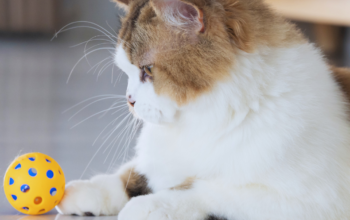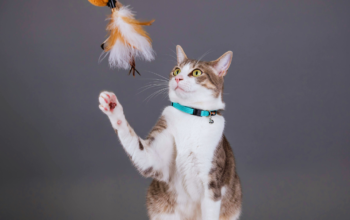

Introducing a new pet to a household can be a rewarding experience, but it requires careful planning to ensure a smooth transition. To make the introduction successful, it’s essential to create a calm environment and allow both the new pet and existing pets to adjust at their own pace. Familiarising pets with each other gradually can prevent stress and promote harmony in the home.
Preparation is key before bringing a new animal into the household. Setting up a designated space with food, water, and a comfortable resting area helps the new pet feel secure. Providing separate spaces initially can aid in reducing territorial disputes and allow each animal to explore their surroundings without feeling threatened.
Patience plays a crucial role as well. It may take time for pets to bond, and owners should be vigilant about their interactions. Observing body language and behaviours will help in understanding how introductions are progressing, ensuring a positive experience for everyone involved.
Preparing Your Household for a New Pet
Introducing a new pet requires careful preparation. Key considerations include age, breed, and size compatibility, adapting the living space, and gathering essential supplies to ensure a smooth transition for everyone involved.
Assessing Age, Breed, and Size Compatibility
Before adding a new pet, it is crucial to assess compatibility with existing pets. Different breeds and sizes may have distinct temperaments and energy levels. For example, a high-energy breed might overwhelm a senior pet, potentially causing stress.
When introducing a young pet, consider their size in relation to current pets. Small pets may be intimidated by larger ones. Likewise, older pets may not adapt well to rowdy puppies. Breeds like Mini Sheepadoodles can be a good middle ground, as their moderate size and generally gentle temperament often make them easier to integrate with both smaller and larger pets. With proper introductions, they tend to adapt well to households with multiple animals. Understanding these dynamics helps create a harmonious environment.
Another breed that often fits well into multi-pet homes is the Mini Aussiedoodle, known for combining intelligence and a friendly nature with relatively low-shedding coats—traits that make them easier to manage around other animals. For owners weighing options, breeders such as Pine Creek Doodles provide clear breed overviews that note grooming needs, activity levels, and typical lifespans, helping families match a puppy to their household routines. Their emphasis on socialisation and mental stimulation also aligns with best practices for gradual introductions. Considering these factors alongside size and temperament can simplify the selection process and improve long-term integration.
Adapting the Environment for Introduction
Creating a safe space is vital for new arrivals. This involves designating an area for the new pet with all necessary items like a bed and food dishes, away from any stressors.
Additionally, ensuring the home is warm and comfortable is important for new pets, as sudden changes in temperature can add stress during their adjustment period. Maintaining an optimal temperature helps them feel secure, relaxed, and more willing to explore their new surroundings. If supplemental heating is needed to keep the space consistently cozy, services like propane delivery can provide a reliable way to maintain a pet-friendly environment that supports their well-being.
Ensure existing pets can adjust to the newcomer gradually. This can involve using baby gates or keeping pets in separate rooms initially. Allow them to get used to each other’s scents before actual meetings.
Regularly assess the living space for hazards, such as exposed wires or choking hazards, to protect the new pet.
Gathering Essential Supplies
Before bringing a new pet home, collecting the right supplies is essential. This includes food, water bowls, beds, toys, and grooming tools tailored to the pet’s needs.
For dogs, consider appropriate leashes and training aids. For cats, scratching posts and litter boxes are necessary. Monitoring supplies specifically designed for different breeds helps ensure their comfort and well-being.
It is also advisable to have a first-aid kit on hand. This should include basic items like antiseptic wipes, bandages, and any pet-specific medications recommended by a vet.
Introducing New Pets Safely and Effectively
Introducing a new pet into a household requires careful planning and execution to ensure a smooth transition. The following techniques aid in creating a safe environment and minimising stress for both existing and new pets.
Structured Introduction Techniques
Structured introduction techniques lay the groundwork for successful integration. Begin by allowing the pets to become familiar with each other’s scent before any face-to-face interaction. This can be accomplished by swapping bedding or toys, which helps them acclimatise to the presence of the other.
Gradually increase their exposure to each other by keeping them in separate spaces at first. After a few days, they can begin to hear each other through closed doors, further familiarising them with the sounds and smells that accompany a new companion. Maintaining a calm atmosphere throughout this process is crucial; it sets a positive tone for future meetings.
Supervised Face-to-Face Meeting
Once initial introductions have occurred, supervising a face-to-face meeting is vital. Choose a neutral space within the home where neither pet feels territorial. Keep both animals on a leash or harness to maintain control during the first few meetings.
Observe body language closely—ears positioned back, raised hackles, or tense postures may signal distress. Should aggression or extreme fear arise, it’s best to separate them immediately and try again later. Frequent positive interactions reinforced with treats can strengthen their bond and create enjoyable experiences during this critical phase.
Gradual and Controlled Exposure
Gradual exposure allows pets to adjust without feeling overwhelmed. After successfully navigating a few face-to-face meetings, increase their time together using controlled situations. For example, allow for brief periods of interaction during feeding or playtime, but always in a contained manner.
This method helps pets learn that shared spaces can be safe and enjoyable. Monitor their responses and maintain a relaxed environment. If at any moment tensions rise, revert to previous introductions and work at a slower pace until confidence builds.
Monitoring Behavioural Cues
Observing behavioural cues is essential for ensuring both pets feel comfortable. Look for signs of stress or discomfort, such as growling, hissing, or hiding. Recognising these behavioural signals early allows for prompt intervention, which can prevent potential conflicts.
Encourage positive interactions by rewarding desired behaviours with praise or treats. This reinforces a positive association with the new pet. If one pet becomes overly anxious or aggressive, it may be necessary to revert to earlier steps and spend more time on individual acclimatisation before resuming combined interactions.
Promoting Positive Relationships Between Pets
Creating a harmonious environment is essential when introducing a new pet. Employing strategies such as positive reinforcement and knowing when to seek professional help can significantly improve interactions among pets. Addressing conflicts promptly also plays a vital role in maintaining a peaceful household.
Using Positive Reinforcement
Positive reinforcement is a crucial method for encouraging good behaviour among pets. This approach involves rewarding desired actions with treats, praise, or playtime. For example:
- When a new pet approaches an existing one calmly, offer a treat.
- If pets show curiosity without aggression, praise them verbally.
This establishes a connection between good behaviour and positive outcomes, fostering trust. Consistency is vital; rewards should follow immediately after the desired action to reinforce the behaviour. Using varied rewards keeps the interaction engaging and prevents pets from becoming bored.
Recognising the Need for a Dog Trainer
In some cases, pet owners may encounter persistent behavioural issues that require professional assistance. A qualified dog trainer can provide targeted strategies for addressing these concerns. Signs indicating the need for a trainer include:
- Excessive aggression or anxiety between pets.
- Inability to control or redirect negative behaviours.
A trainer can assess the situation and develop a tailored plan involving techniques based on positive reinforcement principles. This expertise can lead to a more peaceful integration of the new pets and existing ones, ultimately enhancing the household dynamic.
Preventing and Addressing Conflicts
Conflict prevention is essential in multi-pet households. Implementing a few proactive strategies can significantly reduce tension:
- Provide separate spaces for each pet to retreat and relax.
- Monitor interactions during initial introductions to quickly intervene if needed.
In situations where conflicts arise, immediate intervention is crucial. Separating the pets for a cooling-off period can allow them to regain composure. Following this, reintroducing them in a controlled manner can help them acclimatise to each other.
Resolving conflicts promptly and effectively ensures that relationships among pets are maintained and can ultimately lead to a more harmonious household.
Ongoing Integration and Long-Term Success
The successful integration of a new pet into a household requires consistent routines and attention to health. Establishing clear habits and supporting the pet’s wellbeing are essential for harmony in the home.
Establishing Routines
A structured daily routine helps a new pet feel secure and understand their role in the household. Regular feeding times set expectations and support training efforts. It’s beneficial to establish specific times for walks, play, and grooming as well.
Incorporating training sessions into the routine fosters communication and strengthens the bond between the pet and its owner. These sessions should be short, rewarding, and consistent to reinforce desired behaviours.
Introducing the pet to current household activities can also promote inclusion. Slowly integrating the pet into family routines allows them to adapt gradually, reducing stress and ensuring a smoother transition.
Supporting Health and Wellbeing
Maintaining a pet’s health is fundamental to their long-term happiness and integration. Regular veterinary check-ups should be scheduled to monitor vaccinations and overall health. This proactive approach helps identify any potential issues early. Also, ensure the home environment is free from hazards like exposed wiring, toxic plants, or nesting stinging insects. If you discover a bee hive on or near your property, enlist professional bee removal Phoenix services (or similar elsewhere) to safely relocate the colony and protect both pets and people.
Nutrition plays a crucial role in a new pet’s wellbeing. Owners should select high-quality food appropriate for the pet’s age, size, and breed. Always provide fresh water and monitor the pet’s diet to avoid obesity.
Mental stimulation is equally important. Engaging in toys, training activities, and regular socialisation opportunities can prevent behavioural problems. Ensuring a safe and enriching environment contributes to a more balanced and content pet.