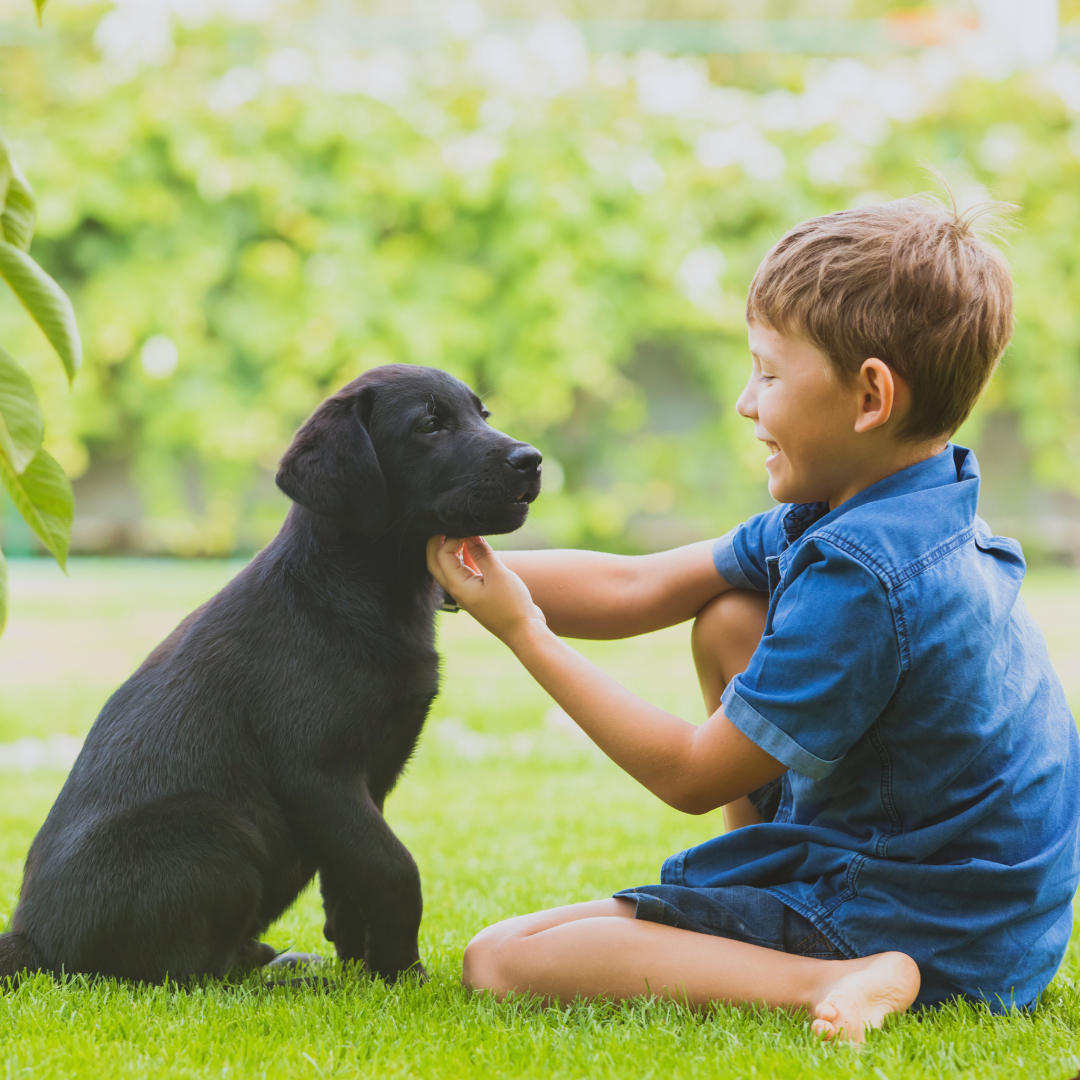
A strong bond with a dog is essential for a fulfilling and harmonious relationship. Building this connection requires consistent effort, trust, and understanding. Dogs thrive on companionship, and a deep bond can enhance their well-being and behaviour.
Engaging in activities like daily walks, playtime, and training helps to nurture this relationship. These moments not only provide physical exercise but also promote mental stimulation, reinforcing the trust between the dog and its owner.
Positive reinforcement plays a key role in dog bonding. Rewarding good behaviour with treats or praise strengthens the sense of security and love. Over time, these practices foster a lasting connection that benefits both the dog and its owner.
Understanding Your Dog’s Needs and Communication
Recognising a dog’s needs and how they communicate is fundamental in strengthening the bond between a pet parent and their dog. By interpreting body language and being aware of emotional and physical requirements, pet owners can create a more harmonious relationship.
Interpreting Dog Body Language
Dogs communicate primarily through body language. Observing their posture, tail position, and facial expressions can reveal a lot.
- Tail Position: A wagging tail typically indicates excitement, while a low or tucked tail can signal fear or submission.
- Ears: Forward-facing ears usually show interest, whereas flattened ears can indicate anxiety or aggression.
- Eyes: Direct eye contact might be perceived as a challenge, while soft, relaxed eyes suggest comfort.
Understanding these signals helps pet parents respond appropriately, fostering trust and reducing anxiety in canines.
Recognising Emotional and Physical Needs
Every dog has unique emotional and physical needs that vary with breed, age, and personality.
- Physical Needs: Regular exercise, a balanced diet, and routine vet check-ups are vital. Dogs need daily walks and mental stimulation through play or training.
- Emotional Needs: Social interaction, affection, and consistent routines contribute to a dog’s well-being. Many dogs thrive on companionship and can experience stress if left alone for long periods.
Pet parents should be attentive to signs of discomfort or stress, such as excessive barking, pacing, or destructive behaviour. Meeting these needs strengthens the bond and ensures a happy, healthy life for the dog.
Effective Bonding Strategies
Building a strong bond with a dog requires intentional strategies. Spending quality time, engaging in activities, and using positive reinforcement are essential methods to strengthen this connection.
Spending Quality Time with Your Dog
Quality time is vital for developing a strong bond. Whether through walks, lounging, or simply being present, this time allows for improved trust and understanding.
Tips for quality time:
- Daily Walks: Regular walks provide exercise and an opportunity for exploration together. This shared experience fosters connection.
- Cuddle Sessions: Quiet moments spent cuddling can enhance feelings of security and affection.
- Routine: Establishing a daily routine with your dog creates predictability, which helps in building trust.
Engaging in Bonding Activities
Participating in engaging activities helps to create shared memories. Dogs thrive when they have mental and physical stimulation, which can enhance their bond with their owner.
Popular bonding activities:
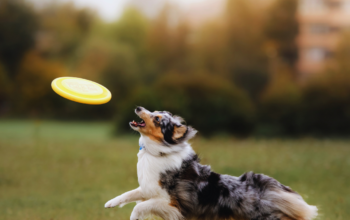
- Fetch: This classic game stimulates physical activity and encourages teamwork.
- Agility Training: Setting up a simple obstacle course can be both fun and challenging, promoting deeper engagement.
- Interactive Toys: Using toys that require collaboration can enhance problem-solving skills and teamwork.
Positive Reinforcement Techniques
Positive reinforcement is an essential tool in building a strong relationship. Using rewards to encourage desired behaviours nurtures trust and affection between the dog and the owner.
Effective techniques include:
- Treats: Offering treats during training sessions reinforces good behaviour and creates a happy association.
- Praise: Verbal praise paired with treats can be a powerful motivator for dogs.
- Consistency: Being consistent with commands and rewards helps the dog understand expectations, deepening the bond.
Training Methods for Building Trust
Establishing trust through training creates a solid foundation for a strong bond with a dog. Certain methods, particularly positive reinforcement techniques and early puppy training play a crucial role in this bonding process.
Dog Training Essentials
Positive reinforcement is essential for effective dog training. This method encourages desired behaviours by rewarding the dog with treats, praise, or play. By consistently rewarding good behaviour, the dog begins to associate training with positive experiences, fostering trust.
Commands should be clear and consistent. Simple verbal cues and hand signals can eliminate confusion. For instance, using “sit” while gently guiding the dog into position reinforces understanding. Regular training sessions, ideally around 5 to 10 minutes each, help maintain focus and keep engagement high.
Patience is vital in this process. Dogs learn at different paces, so it’s essential to remain calm and not show frustration. A trusting relationship develops when the dog feels secure and supported during training.
Puppy Training for Early Bonding
Beginning training early in a puppy’s life significantly enhances the bonding process. Early socialisation with various people, environments, and other animals creates an adaptable and confident dog. Introducing the puppy to different stimuli helps reduce anxiety in new situations later on.
Basic commands like “stay,” “come,” and “leave it” should be introduced during puppy training. These commands establish boundaries and create a sense of safety. Teaching through games, such as fetch, leverages play as a bonding experience while reinforcing obedience.
Consistent interaction and training improve communication skills between the puppy and the owner. Regular praise and gentle corrections help solidify trust while making learning enjoyable. The early stages of training offer a unique opportunity to shape a lifelong bond.
Daily Care and Meeting Basic Needs
Daily care is crucial in establishing a strong bond between a pet parent and their dog. Meeting a dog’s basic needs encompasses providing proper nutrition and fostering a consistent routine.
Providing Proper Nutrition and Dog Food
Nutrition is the foundation of a dog’s health and well-being. Selecting high-quality dog food tailored to the dog’s age, size, and activity level is paramount. Pet parents should consult a veterinarian to determine the right balance of protein, fats, and carbohydrates for their dog.
A complete diet must also provide essential vitamins and minerals to support daily energy levels. Iron is one such mineral that helps transport oxygen throughout the body. Owners can look for iron rich foods for dogs to prevent issues like fatigue or weakness. These options often include organ meats and leafy greens. Adding these ingredients to their meals supports overall vitality and keeps them active.
It’s also essential to establish a regular feeding schedule. Dogs thrive on routine, and knowing when to expect meals helps them feel secure. Always ensure fresh, clean water is available, as hydration is just as critical.
Tips for Feeding:
- Choose dog food with named meat sources as the primary ingredient.
- Avoid foods with excessive fillers and artificial additives.
- Monitor portion sizes to maintain a healthy weight.
Establishing Routines and Consistency
Dogs benefit greatly from a structured daily routine. It helps reduce anxiety and promotes good behaviour. A consistent schedule for walks, playtime, and training sessions reinforces the bond between the pet parent and dog.
Daily walks should be prioritised to allow exercise and exploration. This not only caters to physical needs but also provides mental stimulation. Playtime is another key component; interactive games strengthen the relationship and enhance trust.
Consistency in commands and training methods is essential. Using the same cues for behaviours fosters understanding between the dog and their owner. Positive reinforcement techniques help in building trust and reliability in the relationship.
Routine Suggestions:
- Set specific times for feeding, walks, and training.
- Incorporate a variety of activities to keep the dog engaged.