Indoor cats need toys that stimulate their natural hunting instincts and keep them active. The best toys for indoor cats include interactive wand toys, puzzle feeders, and laser pointers, which encourage movement and mental engagement. These options help prevent boredom and promote healthy exercise.
Choosing the right toys can improve a cat’s overall well-being by reducing stress and destructive behaviour. Toys that mimic prey or challenge the cat’s problem-solving skills are especially effective.
By selecting toys that match your cat’s preferences, you ensure they stay entertained and mentally sharp even without outdoor access. This makes indoor life more satisfying for both the cat and the owner.
Why Indoor Cats Need Toys
Indoor cats require mental challenges, physical activity, and engagement to stay healthy and content. Toys help cats stay sharp, active, and prevent problems caused by inactivity or lack of stimulation.
Mental Stimulation and Enrichment
Toys that mimic hunting, such as feather wands or laser pointers, engage a cat’s natural instincts. This keeps their brain active by encouraging problem-solving and focus. Puzzle feeders and interactive toys make cats think and act, which reduces stress and enhances their overall well-being.
Without mental stimulation, indoor cats can develop anxiety and lethargy. Enrichment through toys supports natural behaviours, like stalking and capturing prey, which are essential for feline happiness indoors.
Physical Exercise Benefits
Indoor cats often get less exercise than outdoor cats, increasing the risks of obesity and muscle loss. Toys that encourage jumping, chasing, and pouncing improve cardiovascular health and muscle tone. Regular play sessions reduce the risk of diabetes and joint problems in cats.
Active toys, like balls or motorised mice, keep cats moving. Even short bursts of play have measurable benefits in maintaining a cat’s physical condition and preventing weight gain.
Preventing Boredom and Behavioural Issues
Boredom in indoor cats frequently leads to destructive behaviours such as scratching furniture or excessive grooming. Toys provide an outlet for energy and reduce frustration caused by monotony. Chew toys and interactive games focus a cat’s attention and decrease unwanted behaviours.
Playtime with toys also strengthens the bond between cats and their owners. Consistent interaction helps manage stress and improve a cat’s emotional health, preventing issues like aggression or depression.
Factors to Consider When Choosing Indoor Cat Toys
Selecting the right toy involves understanding safety, the cat’s specific needs, and maintenance. These factors ensure the toy is both enjoyable and practical for your pet’s daily use.
Safety and Material Quality
Toys should be made from non-toxic, durable materials to prevent harm. Avoid small parts or loose components that a cat might swallow and choke on. Soft fabrics like fleece are gentle, but ensure seams are strong to withstand biting and scratching.
Check for sturdiness in plastic or rubber toys, as cheap versions may break easily. Natural materials such as untreated wood or sisal can be safe, but should be smooth to prevent splinters.
Key safety factors:
- Non-toxic materials
- No small detachable parts
- Strong construction to resist damage
Cat’s Age and Activity Level
Age greatly influences your cat’s play style and toy needs. Kittens require interactive toys that encourage movement and curiosity, such as feathers and small balls. Older cats might prefer softer or slower-paced playthings like plush mice.
Consider energy levels, too. High-energy cats benefit from active, chasing toys; low-energy ones may enjoy puzzle feeders or toys with fewer moving parts.
Age and activity-specific suggestions:
| Age Group | Toy Type |
| Kittens | Wand toys, feather teasers |
| Adult active cats | Laser pointers, motorised toys |
| Seniors | Soft toys, treat dispensers |
Ease of Cleaning
Indoor toys must be cleaned regularly to prevent bacteria buildup. Toys made of wipeable plastic or rubber are easier to sanitise than fabric ones.
Machine-washable plush toys with removable stuffing provide hygiene without sacrificing comfort. Avoid toys that absorb moisture or dirt, as they can harbour allergens.
Look for simple designs without crevices where debris can collect. Regular cleaning extends the toy’s life and keeps your cat healthy.
Interactive Toys for Indoor Cats
Interactive toys stimulate cats physically and mentally, encouraging natural hunting instincts. Toys with movement or unpredictable actions keep indoor cats engaged for longer periods. Choosing the right type depends on your cat’s preferences and activity levels.
Electronic and Motion-Activated Toys
Electronic and motion-activated toys react to a cat’s presence or movement, making playtime dynamic. These toys often feature feathers, balls, or small critter replicas that move erratically to mimic prey. They activate automatically, enticing cats to chase and paw, which helps to reduce boredom.
Battery or USB power usually operates these toys, and many come with adjustable speed settings. They are effective for cats who like sudden movement but may need supervision to ensure safe play. Regular breaks prevent overstimulation or frustration.
Laser Toys
Laser toys project a small, movable light dot for cats to chase. Cats enjoy the challenge of trying to “catch” the laser, which encourages exercise and sharpens reflexes. Portable and easy to use, laser toys can be manual or automatic, with automatic versions offering variable movement patterns.
It’s important to avoid shining lasers directly into a cat’s eyes. Since cats can’t physically catch the light, pairing laser play with a tangible toy at the end can help satisfy their hunting drive and prevent frustration.
Automatic Ball Launchers
Automatic ball launchers propel balls at intervals for cats to chase and retrieve. These toys provide physical exercise and mental engagement by offering unpredictable speeds and distances. Suitable for active cats, they help mimic the thrill of hunting small prey.
Most launchers include different ball sizes and are designed to be safe and durable. Place the launcher on a flat surface to ensure proper function. Some models allow remote control or timer settings for customised play sessions.
Puzzle and Treat-Dispensing Toys
These toys engage cats mentally and physically by challenging them to solve puzzles in exchange for treats. They promote natural hunting instincts and help prevent boredom while rewarding problem-solving behaviour.
Food Maze Toys
Food maze toys require the cat to manoeuvre kibble or small treats through a labyrinth of obstacles to reach the reward. They encourage slow eating, reducing the risk of digestive issues caused by gulping food.
Most food mazes are made from durable plastic or silicone and come in various complexity levels. Adjustable difficulty settings allow owners to customise the challenges according to their cat’s skill. These toys stimulate mental activity and fine motor skills.
Treat Balls
Treat balls are hollow spheres with holes that release treats or kibble as the cat rolls them around. The movement-based reward system taps into the cat’s natural play and hunting behaviours.
They come in multiple sizes and materials, such as rubber or hard plastic. Some models feature adjustable openings to control the amount of food dispensed, preventing overeating. They are effective for active cats that enjoy chasing and batting toys.
Hide and Seek Puzzle Games
Hide and seek puzzles conceal treats behind sliding doors, pop-up compartments, or compartments that cats must unlock. This type of toy requires more dexterity and problem-solving ability.
They often include multiple layers or compartments to increase challenge levels, which hold the cat’s interest longer. Cats learn cause and effect by interacting with these puzzles, improving cognitive function. These games also strengthen the bond between cat and owner during playtime.
Catnip and Scented Toys
Toys infused with appealing scents can stimulate a cat’s senses and encourage active play. These toys often feature materials infused with natural compounds to attract cats while being safe to chew and bat around.
Catnip-Filled Plush Toys
Catnip-filled plush toys are popular because they combine the softness of fabric with the stimulating effects of catnip. Catnip contains nepetalactone, which triggers a temporary euphoric response in many cats, leading to playful or relaxed behaviour.
These toys come in various shapes, such as mice or fish, and are often sewn securely to keep the catnip contained. High-quality plush toys use organic or high-grade catnip to ensure safety and potency. Cats may bite, toss, or cuddle with these toys, providing mental and physical engagement.
Repeated exposure to catnip may decrease sensitivity over time. To maintain interest, rotate catnip toys with unscented ones or refresh the catnip inside.
Silvervine and Valerian Alternatives
Silvervine and valerian root serve as effective alternatives to catnip for cats that don’t respond to nepetalactone. Silvervine contains actinidine and dihydroactinidiolide, which affect cats differently but also induce playful or calm reactions.
Valerian root emits a strong scent that can be stimulating or relaxing for cats, depending on their individual preferences. These alternatives are commonly found in toys or loose form for sprinkling inside play areas.
Both silvervine and valerian provide sensory variety, which can help maintain a cat’s interest in toys. They are safe in moderation and offer options for cats that are indifferent to catnip.
Chase and Hunting Toys
Toys that stimulate a cat’s natural hunting instincts help keep them active and mentally sharp. Movement, unpredictability, and interactive elements are key features to consider for effective chase and hunting toys.
Feather Wands and Teasers
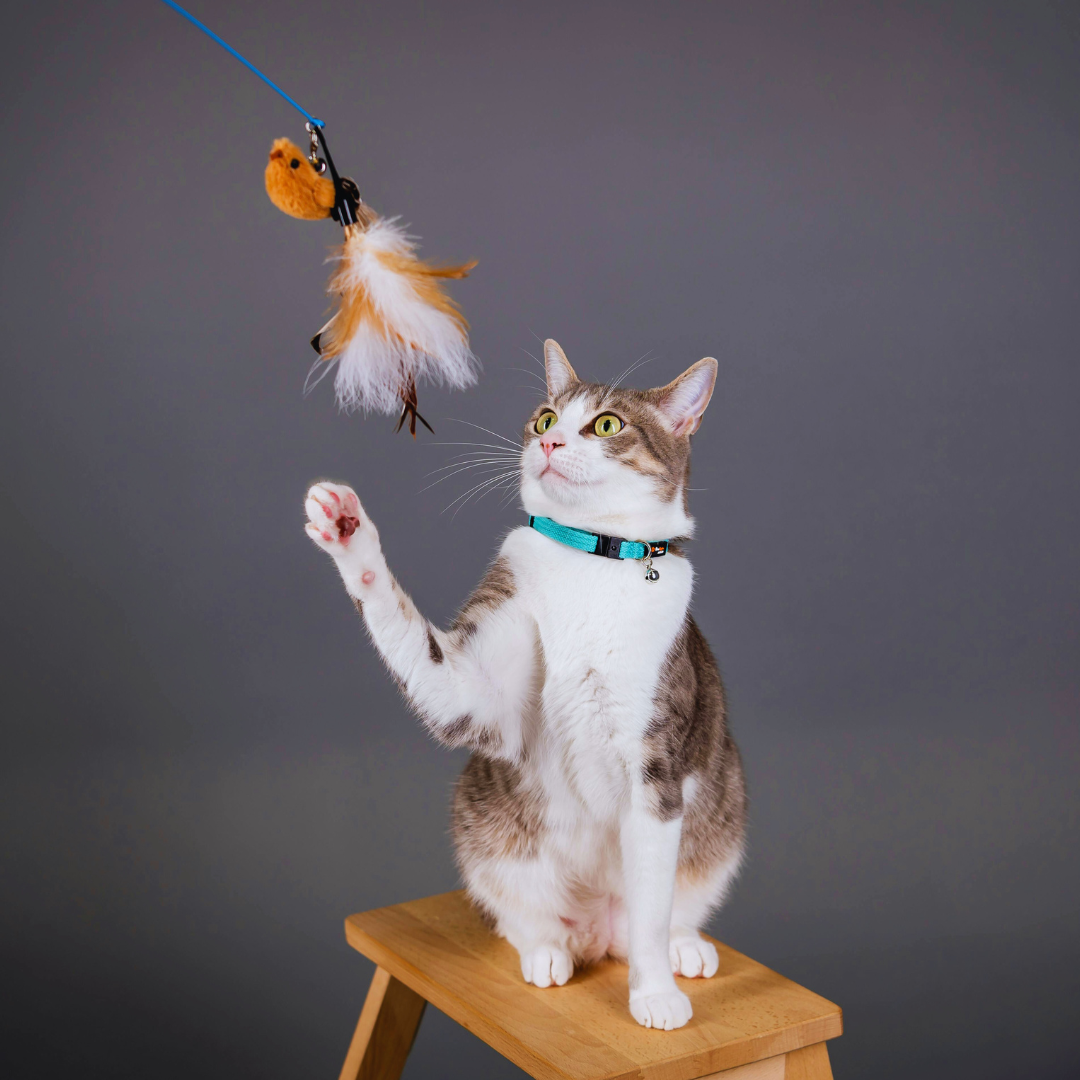
Feather wands mimic the fluttering motion of birds, engaging cats in stalking and pouncing behaviours. They are lightweight and flexible, allowing owners to control the speed and direction of movement to maintain the cat’s interest.
These toys encourage exercise and strengthen the bond between cat and owner through interactive play. Many models include multiple feathers or added elements like bells for additional sensory stimulation. Feather wands are also easy to store and clean, making them a practical choice for indoor play.
Automated Mouse Toys
Automated mouse toys replicate the erratic movements of small prey, appealing to a cat’s chase instincts without requiring constant human involvement. Many have variable speeds and random movement patterns to prevent predictability.
Rechargeable or battery-operated, these toys provide regular exercise by moving autonomously across floors. Some models include noise or vibration features to enhance realism. Automated mouse toys are ideal for cats that need stimulation when left alone, but supervision is recommended to avoid chewing hazards or toy damage.
Solo Play Toys for Independent Cats
Toys designed for solo play should engage a cat’s natural instincts without requiring constant human interaction. These options encourage exercise, mental stimulation, and stress relief, fitting busy owners and independent felines alike.
Rolling Balls and Tracks
Rolling balls and track systems provide continuous, interactive movement that captures a cat’s attention. Tracks usually contain a ball that cats can bat at through openings, causing it to spin around inside. These toys satisfy hunting instincts by mimicking the unpredictable movement of prey.
Key features to look for include:
- Durable plastic construction to withstand sharp claws
- Quiet operation to avoid startling the cat
- Varied track designs to maintain interest
Balls alone, especially lightweight ones with bells or textured surfaces, promote active play as cats chase and swat independently. Combining tracks with balls delivers hours of engagement and movement.
Self-Play Scratchers
Self-play scratchers serve dual purposes: satisfying scratching urges and encouraging independent play. Many models incorporate enticing features like attached toys, crinkly materials, or multiple scratching surfaces to captivate cats.
Options range from simple inclined scratch pads to elaborate cardboard furniture with built-in tunnels. These fulfil natural claw maintenance needs, reduce destructive behaviour, and provide an outlet for excess energy.
Selecting a scratcher that balances durability and enticing design is crucial. Materials should be replaceable or recyclable, allowing easy upkeep and sustained interest.
DIY and Homemade Toy Ideas
Creating toys at home allows for personalised playthings that match your cat’s preferences and safety needs. Many everyday materials can be transformed into engaging and interactive toys with simple modifications.
Simple Household Items
Common objects like cardboard boxes and paper bags are excellent for hiding and pouncing games. Crumpled paper balls provide fast-moving targets for chasing. You can also use bottle caps as lightweight, easy-to-bat objects.
String and yarn are favourites for cats—securely tie them to sticks or create dangling toys by attaching feathers or small fabric pieces. Just avoid leaving loose strings unsupervised, as ingestion can be dangerous.
Paper towel rolls can be cut into rings or tubes to make tunnels or hide-and-seek stations. Adding a few catnip leaves inside enhances the appeal. These materials are inexpensive and often readily available.
Safe Crafting Tips
Always use non-toxic materials when making cat toys. Avoid small parts that can be swallowed or cause choking. Secure any glued pieces firmly and choose pet-safe glue.
Keep in mind the durability of the toy; fraying strings or loose stuffing can become hazards. Supervise your cat with new homemade toys until you confirm they are safe and undamaged.
Regularly inspect toys for wear and replace or repair as needed. Wash fabric components frequently to avoid dirt and germs. Prioritise your cat’s safety to maintain a healthy play environment.
Tips for Rotating and Maintaining Toys
Regularly switching out toys keeps cats interested and prevents boredom. Proper cleaning ensures the safety and longevity of the toys.
Sanitising Cat Toys
Cleaning toys removes dirt, bacteria, and potential allergens that can harm your cat. Hard plastic toys can be wiped with warm, soapy water and allowed to air dry. Soft toys require washing instructions from the manufacturer, but generally can be hand-washed or machine-washed on a gentle cycle.
Avoid harsh chemicals like bleach, which can leave harmful residues. For natural toys like feathers or sisal, spot cleaning is best, as these materials can degrade in water.
Sanitise toys at least once every two weeks or more often if your cat drools or has allergies. Regular inspection helps identify wear and tear to discard unsafe items.
Maximising Engagement Over Time
Rotate toys weekly to maintain your cat’s curiosity and excitement. Introduce new textures and types, such as balls, laser pointers, and feather wands, to stimulate different instincts.
Keep some toys hidden to create novelty when reintroduced. Observe your cat’s preferences and offer favourite toys more often.
Interactive play sessions with you increase mental stimulation and strengthen your bond. Limit the number of accessible toys to avoid overwhelm, focusing on quality and variety instead of quantity.