Bringing a dog into your home is a rewarding experience, but also a significant responsibility. The best way to ensure a smooth transition is to prepare thoroughly, understand your dog’s needs, and establish consistent routines from day one.
Knowing what to expect can help you avoid common pitfalls like behavioural issues or health problems. From choosing the right supplies to setting boundaries, understanding these essentials is key to building a positive relationship with your new pet.
Every dog is unique, but these tips will provide a solid foundation for first-time owners. Staying informed and patient will make the adjustment easier for both you and your dog.
Preparing Your Home for a Dog
Setting up your living space properly helps ensure your new dog’s safety and comfort. This involves making physical changes, gathering necessary supplies, and designing an environment that meets your pet’s needs.
Dog-Proofing Indoor and Outdoor Spaces
Remove or secure household items that could be harmful to a dog, such as electrical cords, toxic plants, and small objects that could be swallowed. Use baby gates to block off restricted areas and cover trash cans with lids.
Fencing your yard is vital to prevent escapes. Check for gaps or holes in fences and gates. Ensure any pesticides or chemicals are stored out of reach. Consistent supervision outdoors is necessary, especially for new dogs unfamiliar with the environment.
Essential Supplies to Get Before Arrival
Prepare the basics: a sturdy leash and collar with ID tags, a comfortable bed, food and water bowls, and age-appropriate dog food. Include grooming tools like brushes and nail clippers.
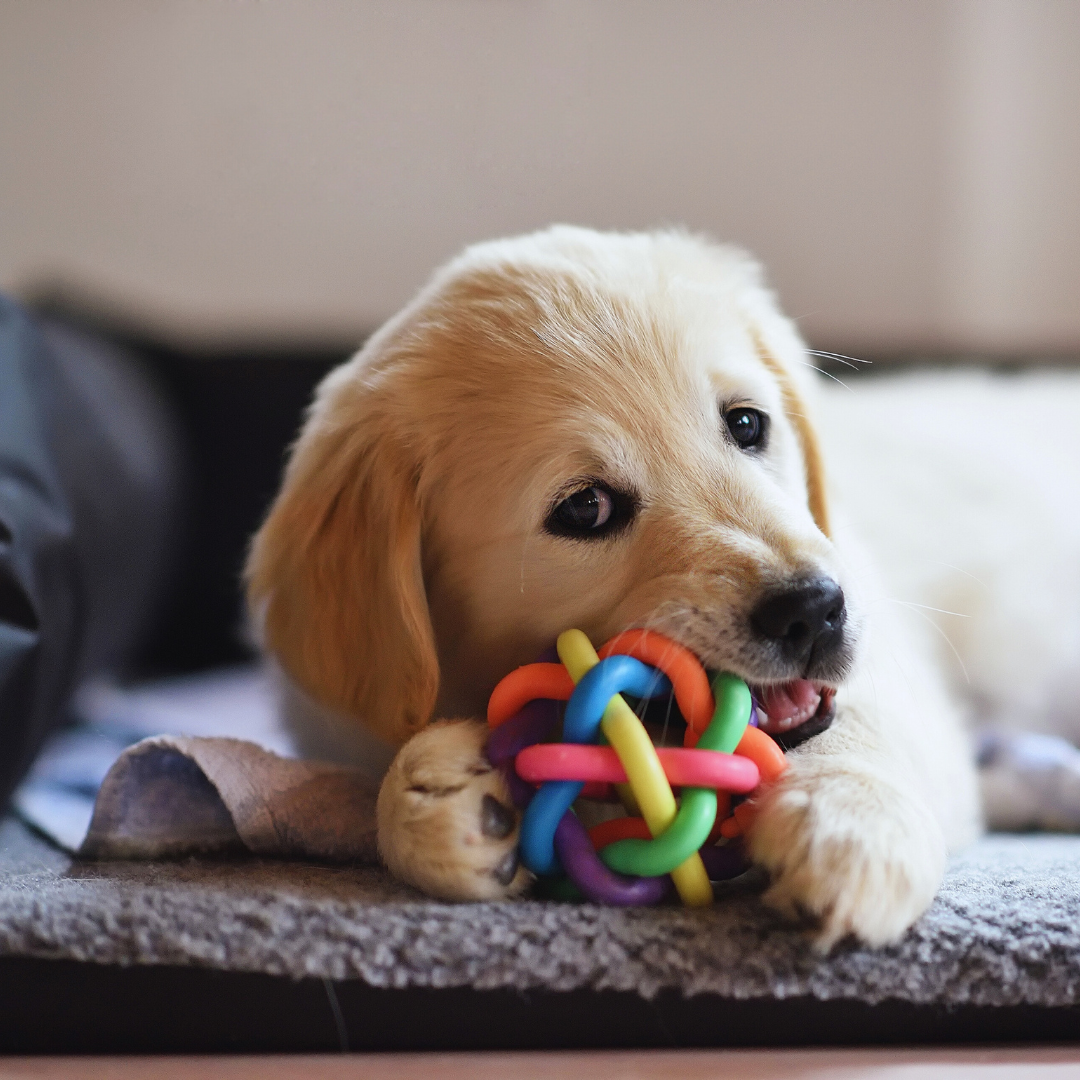
Toys and chew items are important to prevent boredom and destructive behaviour. Also, get cleaning supplies such as enzymatic cleaners for accidents. A crate or playpen can provide security and help with training.
Creating a Safe and Comfortable Environment
Choose a quiet spot for your dog’s resting area, away from heavy foot traffic. Make this space cosy with blankets or a dog bed. Maintain a consistent temperature and avoid drafts.
Establish a routine for feeding, bathroom breaks, and playtime to help your dog adjust. Provide access to fresh water at all times. Use non-slip mats to prevent injuries on slippery floors.
Choosing the Right Dog for You
Picking a dog involves matching your daily routine, home environment, and personal preferences with the needs and traits of different breeds. It also requires deciding where to get your dog, considering both ethical and practical factors.
Assessing Your Lifestyle and Needs
Start by evaluating your daily schedule, activity level, and living situation. For example, if you work long hours alone, a low-energy or independent dog breed may be better. Families with children might prefer breeds known for patience and playfulness.
Consider space limitations. Large breeds typically need bigger yards, while smaller dogs adapt well to apartments. Allergies also matter—hypoallergenic breeds can reduce reactions.
Your commitment to training, exercise, and grooming affects your choice. High-maintenance breeds require regular care, so be realistic about your available time.
Understanding Different Breeds and Temperaments
Dog breeds vary widely in energy, intelligence, and behaviour. Herding breeds like Border Collies need mental stimulation and physical activity. Conversely, Basset Hounds tend to be calm and less demanding.
Temperament affects compatibility. Some dogs are more social and friendly, while others may be more reserved or protective. Research breed histories and common behaviours.
Use breed profiles or trusted resources to compare traits. Remember, individual dogs can differ from breed norms, so meet and interact with the dog before deciding.
Adoption vs. Purchasing Considerations
Adopting from shelters or rescues gives a homeless dog a chance and often reduces costs. Many shelters provide behavioural assessments to help find suitable matches.
Purchasing from breeders offers predictability in breed and lineage but requires due diligence. Verify breeder credentials to avoid supporting unethical breeding.
Both routes involve costs beyond acquisition, like vaccinations and spaying/neutering. Assess how each aligns with your values and resources before committing.
Establishing a Healthy Routine
Creating a stable daily schedule helps your dog adapt quickly and reduces stress. Routine provides clear expectations for feeding, exercise, and bathroom needs, which support overall health and behaviour.
Setting Regular Feeding Times
Feed your dog at consistent times each day, ideally twice—once in the morning and once in the evening. Puppies may need three or more meals, depending on age and vet advice.
Use measured portions to prevent overeating and track your dog’s weight regularly. Avoid free-feeding, which can lead to obesity and disordered eating habits.
Establishing meal times around your own schedule creates predictability and helps with house training. Always provide fresh water alongside each meal.
Consistency in Daily Exercise
Exercise requirements vary by breed, age, and energy levels. Aim for at least 30 minutes of activity daily for most dogs, including walks, playtime, or training sessions.
Exercise helps control weight, reduces anxiety, and encourages good behaviour. Keep walks at regular times to build a schedule your dog can anticipate.
Various types of exercise to keep your dog engaged, such as fetch, swimming, or agility drills. Avoid overexertion, especially for puppies and elderly dogs.
Developing a Bathroom Schedule
Take your dog outside frequently to establish reliable bathroom habits, especially after meals, playtime, and waking up. Puppies generally need bathroom breaks every 1-2 hours.
Consistent timing helps prevent accidents indoors and trains bladder control. Reward your dog immediately after they eliminate outside to reinforce positive behaviour.
Create a designated bathroom spot to make routines clear. Gradually extend the time between breaks as your dog matures and gains control.
Training and Socialisation Basics
Starting training early helps build a strong foundation for your dog’s behaviour. Consistency, patience, and clear communication are crucial. Exposing your dog to different environments and people helps them adapt and behave confidently in social settings.
House Training Fundamentals
Begin house training as soon as you bring your dog home. Establish a regular schedule for feeding and bathroom breaks to create predictable opportunities for your dog to eliminate outdoors. Take your dog outside immediately after waking, eating, or playing.
Use positive reinforcement by praising your dog or giving a small treat when they eliminate in the correct spot. Avoid punishment for accidents, which can create fear or confusion. If accidents happen indoors, clean thoroughly with an enzymatic cleaner to remove odours.
Supervise your dog indoors to catch signs they need to go out, such as sniffing or circling. Crate training can support house training by providing a safe, confined space that discourages soiling.
Introducing Basic Obedience Commands
Teach simple commands like sit, stay, come, and leave it. Begin with one command at a time using treats and praise as rewards. Short, frequent sessions of 5-10 minutes work best to keep your dog engaged.
Use a clear, calm voice and consistent hand signals. For example, hold your palm up for stay or a finger pointing down for sit. Reward immediately when your dog responds correctly to link the behaviour with the cue.
Be patient, especially with young puppies. Practice commands in different rooms and gradually add distractions to build reliability. Avoid repeating commands without giving your dog a chance to respond—this can cause confusion.
Socialising with People and Other Pets
Expose your dog to various people, pets, and environments from an early age. Arrange controlled, positive interactions with friendly dogs and calm humans to teach proper greetings and reduce fear.
Introduce new experiences gradually. Take your dog to pet-friendly parks, walk in busy streets, or visit friends’ homes. Always supervise interactions and provide treats for calm behaviour.
Watch for signs of stress like lip licking, yawning, or avoidance. If your dog shows these, remove them from the situation and try again later, more slowly. Proper socialisation helps prevent aggression, anxiety, and fearfulness in adulthood.
Nutrition and Feeding Guidelines
Proper nutrition is crucial for a dog’s health and well-being. It involves choosing high-quality food, determining the right meal sizes, and managing treats and supplements thoughtfully.
Selecting the Right Food
Choose a dog food based on your dog’s age, size, breed, and any health concerns. Puppies need food formulated for growth, while adult and senior dogs require diets suited to their energy levels and joint health.
Look for foods labelled “complete and balanced” according to AAFCO standards. Quality ingredients like real meat, whole grains, and vegetables are important. Avoid foods with excessive fillers, artificial colours, or by-products.
Consider whether dry kibble, wet food, or a raw diet best fits your lifestyle and your dog’s needs. Consult a veterinarian if your dog has allergies or special dietary requirements.
Understanding Feeding Portions
Feeding portions depend on your dog’s weight, age, activity level, and metabolism. Most dog food packaging includes a feeding chart, but it’s a starting point, not a strict rule.
Monitor your dog’s weight and body condition regularly. Overfeeding can lead to obesity, while underfeeding causes malnutrition. Adjust portions based on energy output and any changes in health.
Split meals into two or three daily servings instead of one large meal. This practice aids digestion and maintains energy levels throughout the day.
Managing Treats and Supplements
Treats should not exceed 10% of your dog’s daily calorie intake. Use treats primarily for training and positive reinforcement, but avoid overdoing it to prevent weight gain.
Choose healthy, low-calorie treats like small pieces of cooked chicken, carrots, or commercial treats with limited ingredients. Avoid toxic foods like chocolate, grapes, onions, and anything with xylitol.
Supplements are unnecessary unless your vet recommends them. Common supplements include omega-3 fatty acids for coat health and glucosamine for joints. Always check dosages and quality before use.
Health and Veterinary Care
Maintaining your dog’s health requires consistent attention to vaccinations, regular vet visits, and parasite prevention. Each plays a vital role in safeguarding your dog’s well-being from common diseases and health risks.
Importance of Vaccinations
Vaccinations protect dogs from life-threatening diseases like rabies, distemper, parvovirus, and adenovirus. Puppies typically need a series of shots starting at six to eight weeks old, with boosters given every few weeks until about 16 weeks. Adult dogs require annual or triennial boosters depending on vaccine type.
Missing or delaying vaccines increases the risk of infections, some of which can be fatal or contagious to other animals and humans. Keep an up-to-date vaccination record, and consult your vet about any specific vaccine needs based on your dog’s lifestyle and environment.
Routine Vet Checkups
Regular veterinary visits are essential to monitor your dog’s overall health and detect early signs of illness or injury. Puppies usually require visits every 3-4 weeks during their first months. Adult dogs benefit from annual exams, which often include physical checks, dental assessments, and blood tests.
During these checkups, your vet can advise on nutrition, behaviour, and exercise. Timely visits help catch problems before they escalate, improving outcomes and quality of life.
Preventing Parasites and Common Illnesses
Parasites like fleas, ticks, and worms pose serious health threats. Use veterinarian-recommended preventatives monthly to reduce infestations. Fleas can cause allergic reactions, ticks transmit diseases such as Lyme, and intestinal worms affect digestion and growth.
Regular faecal exams identify internal parasites. Additionally, watch for symptoms like itching, lethargy, or diarrhoea. Preventive care, combined with proper hygiene and a clean environment, lowers the risk of illness and keeps your dog comfortable.
Grooming and Hygiene
Maintaining your dog’s cleanliness and health requires regular care. Focus on consistent routines that prevent discomfort and potential health issues.
Bathing and Brushing
Dogs should be bathed every 4 to 6 weeks, depending on their breed and activity level. Use a shampoo designed specifically for dogs to avoid skin irritation. Avoid human shampoos as they can alter the dog’s skin pH.
Brushing frequency depends on coat type. Short-haired dogs need brushing once a week to remove loose fur and dirt. Long-haired breeds require daily brushing to prevent mats and tangles. Regular brushing stimulates circulation and distributes natural oils for a healthy coat.
Always dry your dog thoroughly after a bath, especially in cold weather. Use a towel or a pet-safe blow dryer on a low setting. Check ears and paws during grooming to spot early signs of infection or injury.
Nail and Tooth Care
Trim your dog’s nails every 3 to 4 weeks to prevent overgrowth, which can cause pain or walking problems. Use dog-specific nail clippers and avoid cutting the quick, the sensitive pink area inside the nail. If unsure, have a veterinarian or groomer show you proper technique.
Brush your dog’s teeth 2 to 3 times per week with a dog-specific toothpaste. Human toothpaste contains ingredients harmful to dogs. Regular brushing reduces plaque buildup and prevents bad breath, gum disease, and tooth loss.
Supplement dental care with chew toys or dental treats designed to reduce tartar. Monitor for signs of dental issues such as excessive drooling, bleeding gums, or difficulty eating.
Exercise and Enrichment Activities
Regular physical activity and mental challenges are essential for a dog’s health and behaviour. Providing structure through exercise and games supports their well-being and helps prevent common behavioural issues.
Daily Walks and Outdoor Play
Daily walks are crucial for physical health and socialisation. Aim for at least 30 minutes twice a day, adjusting time based on your dog’s breed, age, and energy level.
Use a sturdy leash and harness to maintain control and safety during walks. Let your dog explore scents to engage their natural instincts.
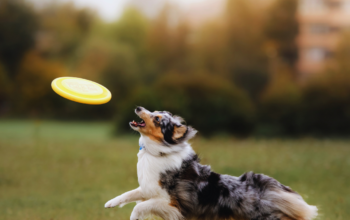
Outdoor play—like fetch or tug-of-war—burns extra energy and can be done in safe, fenced areas. Varying the routes and play activities keeps your dog mentally and physically engaged.
Mental Stimulation Games
Mental stimulation is as vital as physical exercise for dogs. Puzzle toys, treat-dispensing games, and obedience training sessions challenge their problem-solving skills.
Introduce new games gradually, keeping sessions short but consistent—5 to 10 minutes daily. Rotate toys to maintain interest and prevent boredom.
Using command-based games, like “find it” with hidden treats, sharpens focus and strengthens communication between you and your dog. This also supports training goals.
Building a Strong Bond With Your Dog
Forming a solid connection with a dog takes consistent effort and attention. This includes rewarding good behaviour and dedicating meaningful time together to foster trust and loyalty.
Positive Reinforcement Techniques
Positive reinforcement involves rewarding your dog when they do something right, which encourages them to repeat the behaviour. Common rewards include treats, praise, or playtime.
Timing is crucial; offer the reward immediately after the desired action to help your dog associate the behaviour with the reward. Avoid punishment-based methods, as these can harm your relationship and slow learning.
Consistency in commands and rewards helps your dog understand what is expected. For example, using the same word for “sit” every time, combined with a treat, solidifies the command.
Quality Time and Affection
Spending uninterrupted, focused time with your dog builds emotional closeness. Activities like daily walks, play sessions, and gentle petting establish a routine that your dog looks forward to.
Physical affection, such as petting or a gentle massage, helps release calming hormones in both you and your dog. Pay attention to your dog’s body language to know when they want affection or need space.
Engaging in activities that suit your dog’s breed and energy level prevents frustration and deepens your bond. Simple games like fetch or training exercises strengthen your connection through shared experiences.
Common First-Time Mistakes to Avoid
One common mistake is underestimating the commitment involved in dog ownership. Dogs require daily care, training, and attention. Ignoring this can lead to behavioural issues and stress for both owner and pet.
Another frequent error is inconsistent training. Dogs thrive on routine and clear rules. Changing commands or allowing bad behaviours sometimes can confuse your dog and slow progress.
Skipping regular veterinary check-ups can cause serious health problems. Puppies especially need vaccinations and preventive care. Delaying vet visits may result in costly treatments later.
It’s important not to neglect socialisation. Introducing your dog to different people, animals, and environments early helps prevent fear or aggression. Avoid isolating your dog in the first few months.
Here’s a quick list of other mistakes to avoid:
| Mistake | Why to Avoid |
| Feeding inappropriate food | Can cause digestive issues or poisoning |
| Overlooking exercise needs | Leads to obesity and excess energy |
| Ignoring dental care | Results in gum disease and tooth loss |
| Not puppy-proofing a home | Risk of injury or toxic ingestion |
Avoiding these mistakes improves your relationship with your dog and fosters a healthier, happier environment.
Long-Term Commitment and Lifelong Learning
Owning a dog requires a long-term commitment. Dogs typically live 10 to 15 years, sometimes longer, depending on breed and health. This means regular care, attention, and resources for many years.
Training and socialisation are ongoing processes. Even after basic commands are learned, dogs benefit from continuous learning to address behavioural changes as they age. This helps maintain a strong bond and reduces potential issues.
Owners should be prepared to adapt as their dog grows. Puppies have different needs than senior dogs, so staying informed about nutrition, exercise, and health care is critical.
Key points to remember:
- Provide consistent training throughout your dog’s life
- Schedule regular veterinary check-ups
- Update your knowledge on dog behaviour and health
- Adjust care routines based on life stages
Lifelong learning helps owners better understand their dogs’ changing needs and respond effectively. This ensures the dog’s quality of life remains high and strengthens the owner-pet relationship.