
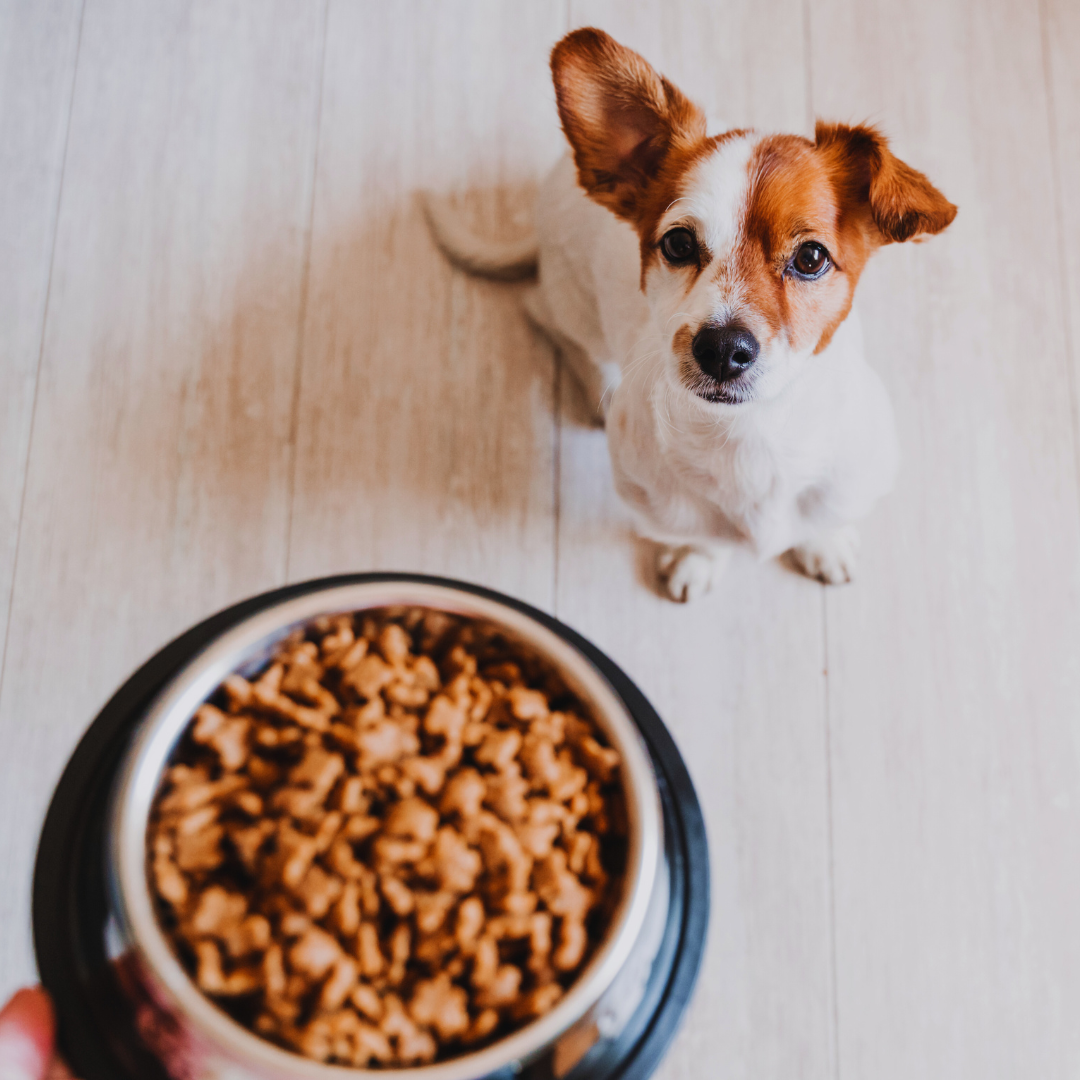
Choosing the right food for your dog is essential for their health and longevity. The best healthy dog food options include those made with high-quality proteins, balanced nutrients, and natural ingredients without artificial additives. These foods support strong muscles, a healthy coat, and overall well-being.
Many brands now offer formulas tailored to different life stages, breed sizes, and dietary needs. Understanding what your dog requires can help you select the ideal food that meets their specific health demands and lifestyle.
With so many choices available, focusing on nutrition labels and ingredient quality will guide you toward safer, more effective dog food. This approach ensures your pet receives the best care through their diet.
What Makes Dog Food Healthy?
Healthy dog food must provide complete nutrition with precise ingredients and a balanced formula. Nutrient content, ingredient quality, and proper diet proportions define the food’s benefits and suitability.
Essential Nutrients for Dogs
Dog food should contain proteins, fats, carbohydrates, vitamins, and minerals in correct ratios. Protein supports muscle maintenance and energy, with sources like chicken, beef, or fish preferred.
Fats offer energy and support coat and skin health. Omega-3 and Omega-6 fatty acids are important. Carbohydrates provide fibre and energy, sourced from grains or vegetables.
Vitamins such as A, D, E, and B-complex, and minerals like calcium, phosphorus, and zinc are crucial for metabolism and bone health. Foods must meet AAFCO nutrient profiles to ensure completeness.
Quality of Ingredients
Ingredient quality impacts digestibility and nutrient absorption. Whole food ingredients, like named meats (“chicken thigh”) and whole vegetables, are preferable to vague terms like “meat meal” or “by-products.”
Avoid artificial colours, flavours, and preservatives such as BHA, BHT, and ethoxyquin. Limited-ingredient diets can reduce allergy risks.
Organic or sustainably sourced components may improve food safety and reduce toxins. Quality control in manufacturing ensures consistent nutrition and fewer contaminants.
Balanced Diet Considerations
A balanced dog diet aligns calories with life stage, size, and activity level. Puppies need higher protein and fat; seniors benefit from joint-support nutrients and lower calories.
Portion control and feeding frequency affect weight management. Ingredients must complement each other—for example, calcium and phosphorus ratios should support bone health.
Supplementation with probiotics or antioxidants may enhance digestion and immunity, but should be tailored to individual dog needs. Understanding these balance points prevents health issues over time.
Popular Healthy Dog Food Options
Choosing the right healthy dog food involves considering nutrient density, ingredient quality, and ease of feeding. Different formats offer distinct advantages based on lifestyle and dietary needs.
Dry Kibble Choices
Dry kibble is the most common dog food type and offers convenience and a long shelf life. High-quality kibble prioritises real meat as the first ingredient and avoids fillers like corn or soy. Look for products with balanced protein and fat ratios, typically 18-30% protein, depending on your dog’s activity level.
Some kibble brands also include added probiotics and omega fatty acids to support digestion and coat health. Grain-free options exist but should be selected carefully, considering potential links to heart conditions in some breeds. Packaging often highlights certification from AAFCO or similar bodies to ensure nutritional completeness.
Canned Dog Food Varieties
Canned dog food contains higher moisture content, which aids hydration and palatability. This variety usually features whole meats, organs, and vegetables, providing a protein-rich, low-carbohydrate option.
High-quality canned foods prioritise minimally processed ingredients and avoid artificial preservatives and by-products. They are beneficial for dogs with dental issues or poor appetite, as the soft texture is easier to consume. Compare guaranteed analysis labels to find options with at least 8% protein and moderate fat levels. Refrigeration after opening is required.
Freeze-Dried and Dehydrated Dog Foods
Freeze-dried and dehydrated dog foods offer a nutrient-preserving alternative by removing moisture without cooking at high temperatures. This method retains more vitamins and enzymes than standard processing.
These foods typically require adding water before serving, allowing for texture customisation. Ingredients are often whole food-based, including meat, fruits, and vegetables, making them appealing for owners seeking minimally processed diets. The lightweight packaging and long shelf life benefit those who travel frequently with their dogs.
While pricier than kibble or canned options, these diets often provide a higher bioavailability of nutrients, supporting overall health and vitality.
Fresh and Homemade Dog Food
Fresh and homemade dog foods offer alternatives to traditional kibble and canned diets. They provide options for controlling ingredients and catering to specific dietary needs.
Commercial Fresh Dog Food Brands
Commercial fresh dog food brands are made with minimally processed ingredients and often delivered chilled or frozen. These products focus on high protein content, whole foods, and balanced nutrition.
Popular brands include The Farmer’s Dog, Nom Nom, and Ollie. They offer meals based on real meats, vegetables, and whole grains, formulated to meet AAFCO nutrient profiles. Packaging is usually single-serve for convenience and portion control.
These brands invest in sourcing human-grade ingredients, with no artificial preservatives or fillers. Costs tend to be higher than dry kibble, but can improve a dog’s digestion and coat health.
Homemade Recipes and Preparation
Homemade dog food allows full control over ingredient quality and recipe customisation. Key components include lean proteins, vegetables like carrots or green beans, and carbohydrates such as rice or sweet potatoes.
Owners must ensure recipes meet nutritional requirements, balancing protein, fat, vitamins, and minerals. Supplements like fish oil or calcium might be necessary. Consulting a veterinarian or canine nutritionist is recommended.
Food preparation requires proper cooking techniques, such as boiling or baking, to maintain nutrient integrity and prevent bacterial contamination. Storage in airtight containers in the refrigerator or freezer helps preserve freshness.
Specialised Diets for Unique Needs
Certain dogs require diets tailored to specific health conditions or sensitivities. These specialised options address issues like ingredient intolerance, weight control, and allergies to support optimal well-being.
Grain-Free and Limited Ingredient Diets
Grain-free dog foods exclude common grains like wheat, corn, and rice, replacing them with alternatives such as peas or potatoes. They are often chosen for dogs with grain sensitivities or digestive issues.
Limited ingredient diets (LIDs) minimise the number of components to reduce the risk of food allergies and intolerances. These usually contain a single protein source paired with a simple carbohydrate.
Both diets focus on improving digestion and reducing allergic reactions. Owners should ensure the food still meets all essential nutrient requirements and consult a vet before making changes.
Weight Management and Low-Calorie Dog Food
Weight management formulas are designed to reduce calorie intake while providing balanced nutrition. They typically contain more fibre to promote fullness and fewer fats to limit caloric density.
Dogs with sedentary lifestyles or obesity benefit from these options, which help prevent weight-related illnesses like diabetes and joint strain.
Many products list calories per serving clearly and include added nutrients to maintain muscle mass during weight loss.
Allergy-Friendly Dog Food Options
Allergy-friendly dog foods avoid common allergens such as beef, dairy, soy, and artificial additives. Hypoallergenic formulas may use hydrolysed proteins, broken down into smaller components less likely to trigger immune responses.
These diets aim to reduce skin irritation, itching, and digestive upset caused by allergic reactions. Identifying specific allergens through testing can guide the choice of formula for effective symptom management.
Ingredients to Look For and Avoid
Choosing the right dog food means focusing on specific nutrients and steering clear of harmful additives. Key components such as protein type, beneficial supplements, and unwanted fillers directly impact your dog’s health and digestion.
High-Quality Protein Sources
Protein is essential for muscle maintenance and energy. Look for named meat sources like chicken, turkey, beef, or fish as the first ingredients. These provide the amino acids dogs need.
Avoid generic terms such as “meat meal” or “animal by-products,” which may indicate lower-quality protein from less desirable parts. Protein from whole animal sources typically offers better nutrient availability.
Plant proteins like peas or lentils can supplement protein but should not replace animal-based proteins entirely. A clear list of animal protein sources signals better quality in the formula.
Superfoods and Functional Additives
Superfoods such as sweet potatoes, blueberries, spinach, and flaxseed offer antioxidants and fibre that support digestion and immune function. Ingredients rich in omega-3 and omega-6 fatty acids, like salmon oil or flaxseed, help maintain a healthy coat and skin.
Functional additives such as probiotics, glucosamine, and chondroitin promote gut health and joint support, especially in active or ageing dogs. Prebiotics aid in nutrient absorption and gut flora balance.
Avoid dog foods lacking these nutrients, especially if your dog has specific health needs. The presence of these additives often reflects a formula designed for overall wellness.
Common Fillers and Artificial Ingredients
Fillers like corn, wheat, soy, and rice are often used to bulk up dog food but offer little nutritional value. They can cause allergies or digestive issues in sensitive dogs.
Artificial colours, flavours, and preservatives such as BHA, BHT, and ethoxyquin may increase shelf life but have questionable long-term safety. Opt for foods that use natural preservatives like tocopherols (vitamin E) instead.
Ingredients lists heavy with fillers or artificial additives usually indicate lower quality. Prioritising products without these components reduces the risk of irritation or allergic reactions.
How to Choose the Best Healthy Dog Food
Selecting the right dog food requires careful attention to ingredients and consideration of your dog’s specific needs. Key factors include understanding what to look for on labels and adjusting for age, size, and breed characteristics.
Reading Dog Food Labels
Start by examining the ingredient list. High-quality animal protein sources like chicken, beef, or fish should be listed first. Avoid foods with vague ingredients such as “meat by-products” or excessive fillers like corn and wheat.
Look for explicit nutritional information. The Association of American Feed Control Officials (AAFCO) statement ensures the food meets minimum nutrient requirements. Check for added vitamins and minerals, and identify the source of fats and carbohydrates.
Be cautious of artificial additives. Colours, flavours, and preservatives add little nutritional value. Ideally, choose foods with natural preservatives like tocopherols (vitamin E).
Assessing Life Stage and Breed Requirements
Dogs have varying nutritional needs. Puppies require diets rich in protein and fat for growth, while senior dogs need fewer calories and joint-supporting nutrients like glucosamine.
Breed size influences portion and calorie needs. Large breeds benefit from food with controlled calcium and phosphorus to support bone health. Small breeds often require nutrient-dense, smaller kibble that is easier to chew.
Consider health conditions or allergies. Some breeds are prone to sensitivities and may need grain-free or limited ingredient diets. Always adapt food choices based on your dog’s life stage and breed-specific requirements.
Safe Transitioning to a New Dog Food
Switching your dog’s diet should be gradual to prevent digestive upset. Abrupt changes can cause diarrhoea, vomiting, or loss of appetite.
A common approach is to blend the old and new foods over 7-10 days. Start with 25% new food mixed with 75% old food. Each day, increase the new food portion while decreasing the old.
| Day | Old Food (%) | New Food (%) |
| 1-2 | 75 | 25 |
| 3-4 | 50 | 50 |
| 5-6 | 25 | 75 |
| 7-10 | 0 | 100 |
Monitor your dog’s stool quality and behaviour throughout the transition. If signs of digestive distress appear, slow the process or consult your veterinarian.
Make sure fresh water is always available during this period. Consistency in feeding times also helps reduce stress.
Some dogs may benefit from digestive aids or probiotics, especially if they have sensitive stomachs. Always check with your vet before adding supplements.
This method minimises risk and supports a comfortable adjustment to the new diet.
Storing and Serving Tips for Maximum Freshness
Proper storage of dog food is essential to maintain its nutritional quality and prevent spoilage. Keep dry food in a cool, dry place, preferably in an airtight container, to avoid exposure to air and moisture. This helps prevent the growth of mould and keeps the kibble crunchy.
For wet or fresh dog food, refrigeration is key. Store opened packages in the fridge and use within 3-5 days. If freezing, divide portions into meal-sized batches to thaw only what’s needed, reducing waste and preserving freshness.
Serving food at room temperature can enhance your dog’s appetite and digestion. Cold food may be less appealing and harder to digest. Simply remove it from the refrigerator 15-30 minutes before feeding.
Use clean bowls when serving food to prevent bacterial buildup. Wash bowls daily with hot, soapy water. Avoid leaving uneaten wet food out for more than two hours to minimise bacterial growth.
| Tip | Detail |
| Storage Container | Airtight, opaque, BPA-free |
| Dry Food Location | Cool, dry cupboard |
| Wet Food Timing | Refrigerate, use in 3-5 days |
| Serving Temperature | Room temperature for better digestion |
| Bowl Hygiene | Clean daily with hot, soapy water |
Following these practices ensures your dog’s food stays fresh while supporting their health and enjoyment at mealtime.