Training a dog can feel overwhelming at the start, but simple, consistent steps make a big difference. The best dog training tip for beginners is to focus on clear communication, positive reinforcement, and patience. These elements build trust and encourage good behaviour without causing confusion.
Understanding your dog’s natural instincts and learning how to guide them effectively will speed up training. Using rewards like treats and praise while avoiding punishment helps your dog learn what you expect. This approach creates a strong foundation for lifelong good behaviour.
Essential Dog Training Principles
Training a dog effectively requires understanding their behaviour, setting achievable goals, maintaining consistency, and using proven reinforcement methods. Applying these principles ensures a smoother learning process for both the owner and the dog.
Understanding Canine Behaviour
Dogs communicate primarily through body language and vocalisations. Observing tail wagging, ear positioning, and vocal tones can reveal their emotions and intentions. Recognising signs of stress, excitement, or submission helps tailor training approaches to suit their state of mind.
Dogs are motivated by instincts such as social hierarchy, food desire, and play. Training capitalises on these natural drives to encourage desired behaviours. Avoid interpreting dog actions with human emotions to prevent misunderstandings during training.
Setting Realistic Training Goals
Begin with clear, specific, and achievable goals based on your dog’s age, breed, and temperament. For example, teaching basic commands like “sit” or “come” should precede complex tasks such as off-leash recall.
Break down commands into small, manageable steps. Set a training timeline but remain flexible, adjusting according to progress. Unrealistic goals can lead to frustration and hinder your dog’s learning.
The Importance of Consistency
Consistent training signals help dogs understand expectations clearly. Use the same commands, hand signals, and routines daily to avoid confusion. Everyone involved in training must follow the same rules and language.
Repetitive practice strengthens memory and behaviour retention. Inconsistent responses can create uncertainty and slow down progress. Consistency also reinforces trust between you and your dog.
Positive Reinforcement Techniques
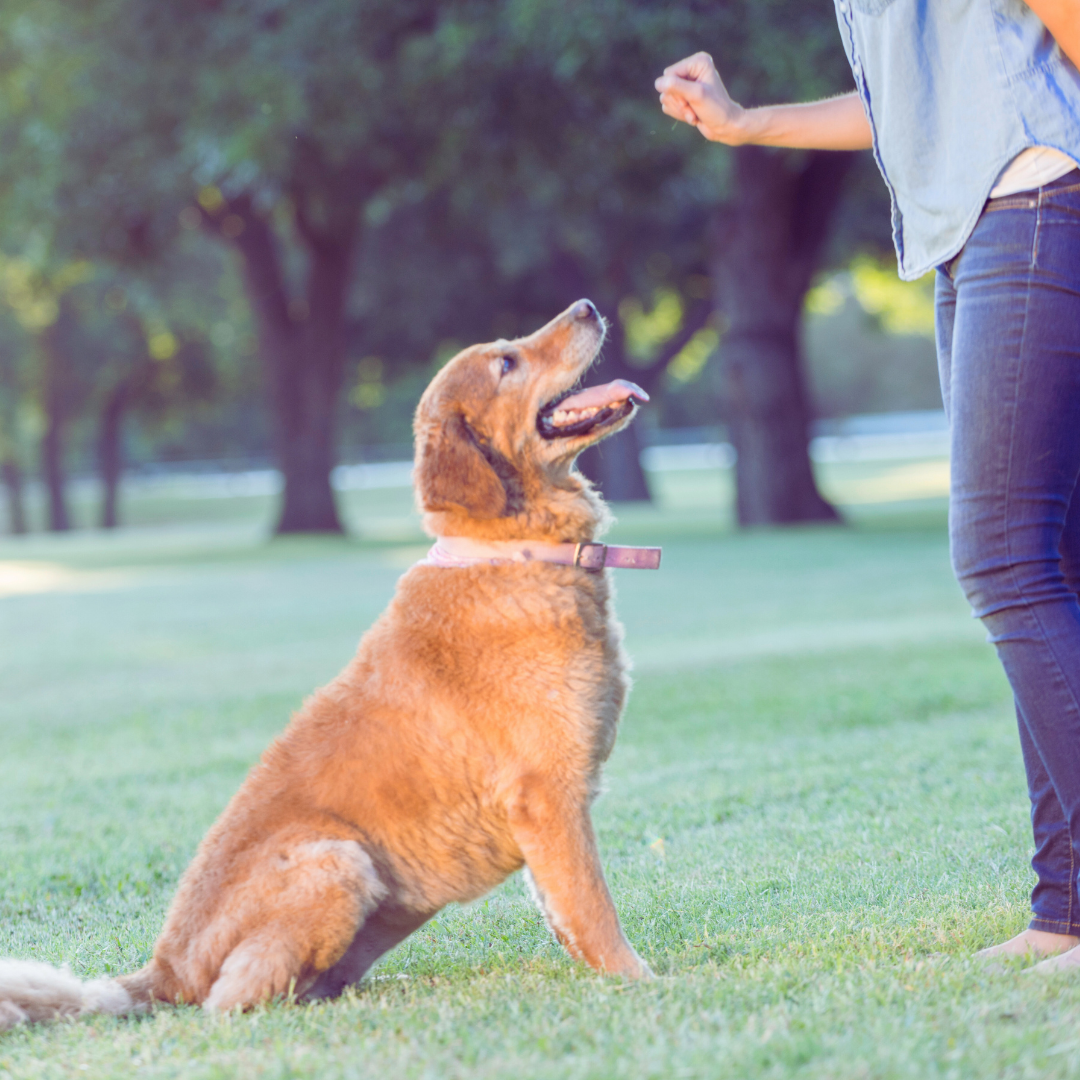
Positive reinforcement means rewarding desired behaviours immediately to increase their occurrence. Rewards include treats, praise, toys, or playtime. Timing is crucial; the reward must follow the behaviour within seconds.
Avoid using punishment, which can cause fear and damage the relationship. Reinforcement is more effective when paired with clear commands and a calm demeanour. Vary rewards to maintain your dog’s motivation over time.
Preparing for Effective Training Sessions
Effective dog training starts with the right setup. This includes where you train, the tools you use, and how long each session lasts. These factors help both you and your dog stay focused and get the most out of each training moment.
Choosing the Right Training Environment
Pick a quiet, familiar area with minimal distractions for training. A backyard or a quiet room indoors works well for beginners. Avoid places with loud noises, many people, or other animals until your dog masters basic commands.
The environment should be safe and free from hazards. Make sure the space allows you to move freely and maintain control. You can gradually introduce distractions as your dog improves to build focus in different settings.
Selecting Appropriate Training Tools
Use simple tools suited to your dog’s size and breed. Basic items include a well-fitted collar or harness, a sturdy leash, and treats for positive reinforcement. Avoid choke chains or prong collars, which can cause harm.
Treats should be small, soft, and tasty to keep your dog motivated without filling them up. Consider a clicker for precise timing if you plan to use clicker training. Keep tools organised and within reach before sessions start.
Timing and Session Length
Limit training sessions to 5-15 minutes for puppies and 15-20 minutes for adult dogs. Short, frequent sessions prevent fatigue and loss of focus. Stop before your dog shows signs of frustration or distraction.
Train multiple times a day if possible instead of one long session. Consistency is key, so try to train at the same time daily. Allow breaks and reward your dog generously to maintain enthusiasm.
Core Obedience Skills for Beginners
Establishing clear, basic commands helps create a foundation for effective communication with your dog. Key skills involve teaching your dog to settle, respond promptly when called, and walk calmly on a leash without pulling.
Teaching Sit and Stay Commands
Begin with the “sit” command by holding a treat close to your dog’s nose and moving it upward and back over its head. This motion encourages the dog to naturally lower its rear. Once sitting, immediately say “sit,” give the treat, and offer praise.
For “stay,” start in a quiet area. Ask your dog to sit, hold your palm out like a stop sign, and say “stay.” Take a step back, pause briefly, then return and reward if the dog holds position. Gradually increase the distance and time before rewarding.
Consistency and short training sessions improve retention. Use a calm, firm voice and avoid repeating commands multiple times without results.
Mastering Recall
A reliable recall is essential for safety. Begin by choosing a recall word like “come,” then call your dog from a short distance using an excited tone. When it arrives, immediately reward with treats or play.
Practice in distraction-free environments at first. Gradually increase distractions and distance to reinforce the behaviour. Keep sessions positive; avoid punishing your dog if it fails to come.
Using a long leash can help maintain control during practice. Maintain enthusiasm during recalls to encourage your dog to respond quickly every time.
Loose Leash Walking
Loose leash walking prevents strain and improves control. Start in a low-distraction environment, holding treats in your hand by your side. When your dog walks ahead or pulls, stop immediately.
Wait for the dog to return to your side or release tension on the leash. Reward frequently for walking together calmly. Use a consistent cue like “let’s go” to signal forward movement.
Avoid tugging or jerking the leash, as it causes confusion and discomfort. Keeping sessions brief and rewarding correct behaviour reinforces positive leash habits. Gradual increases in environmental complexity strengthen this skill over time.
Solving Common Training Challenges
Effective dog training requires dealing with distractions, correcting unwanted behaviours, and pushing through periods when progress stalls. Addressing these issues directly helps maintain consistency and keeps training productive.
Addressing Distractions
Distractions can severely disrupt training sessions, especially outside controlled environments. Start training in a quiet, familiar area before gradually adding distractions like other people or animals.
Use high-value treats (something your dog doesn’t get often) to keep focus. Reward your dog immediately when it pays attention despite distractions. This reinforces positive behaviour.
If your dog becomes overwhelmed, reduce distractions and return to a simpler environment. Gradually increase the difficulty to build confidence. Consistent short sessions, rather than long ones, help maintain focus.
Managing Unwanted Behaviours
Identify the root cause of unwanted behaviours such as barking, jumping, or chewing. Often, these actions indicate boredom, fear, or lack of exercise.
Use positive reinforcement to encourage alternative, acceptable behaviours. For example:
- Replace jumping with sitting for attention.
- Redirect chewing to appropriate toys.
Avoid punishment as it can increase anxiety or aggression. Instead, be patient and consistent with commands and rewards.
Overcoming Training Plateaus
Training plateaus occur when your dog stops improving despite efforts. This can happen if training becomes predictable or repetitive.
Introduce new challenges or vary the training routine to keep your dog mentally engaged. Change environments, use different commands, or try new games related to the skills being taught.
Monitor progress closely, and break complex tasks into smaller, achievable steps. Patience is essential; progress can be slow but steady with persistence.
Building a Strong Owner-Dog Relationship
Creating a solid connection with your dog involves consistent interaction, clear signals, and respect for their natural behaviours. It requires patience and attention to how your dog responds to you and their environment.
Developing Trust and Bonding
Trust is the foundation of any meaningful relationship with a dog. To build it, provide a reliable routine where your dog knows when to expect walks, meals, and rest. Consistency in these basic needs reduces anxiety and strengthens your bond.
Physical affection, such as gentle petting and calm voice tones, reinforces comfort. Avoid sudden movements or shouting, which can damage trust. Allow time for your dog to approach you first, especially in new situations, to respect their boundaries.
Playtime is another effective bonding tool. Use toys your dog enjoys and engage in activities that match their energy level. Positive experiences during these moments create lasting associations between you and your dog.
Effective Communication with Your Dog
Clear communication relies on simple, consistent commands and signals. Use basic words like “sit,” “stay,” and “come,” paired with hand gestures to make it easier for your dog to understand what you expect.
Timing is crucial. Reward desired behaviour immediately with treats or praise to connect the action with the reward. Avoid mixed signals by maintaining tone and gesture consistency.
Avoid long, complex sentences. Dogs respond best to short, clear indicators. Reinforce commands regularly, but keep training sessions brief to hold their attention and prevent frustration.
Understanding Dog Body Language
Dogs communicate primarily through body language, which owners must learn to interpret accurately. Signs like a wagging tail don’t always mean happiness; observe tail position, ear shape, and eye contact for context.
A relaxed body, soft eyes, and loose posture usually indicate comfort. In contrast, a tucked tail, pinned ears, and avoidance behaviour suggest fear or stress.
Recognising these cues helps prevent conflict and builds empathy. This awareness lets you adjust your actions to support your dog’s emotional state, improving trust and cooperation.
Continuing Education and Advanced Tips
Building on basic training requires introducing new commands, improving social behaviour, and utilising further learning materials. This approach helps maintain progress and develops a well-rounded dog.
Incorporating New Commands
Introduce new commands gradually, starting with simple cues like “wait” or “leave it.” Use short training sessions of 5–10 minutes to prevent your dog from becoming overwhelmed. Pair commands with consistent hand signals and verbal cues to reinforce understanding.
Reward-based techniques work best. Always reward your dog immediately after correct behaviour to strengthen the connection. Avoid introducing too many commands at once; this can confuse your dog and slow learning.
Track progress by keeping a training log with commands introduced, response accuracy, and session notes. Adjust difficulty based on your dog’s responsiveness and energy.
Training for Socialisation
Expose your dog to various environments, people, and animals in controlled settings. Begin with quiet, less crowded places. Gradually increase distractions to help your dog remain calm and focused.
Use positive reinforcement to encourage calm and friendly behaviour during interactions. Look for signs of stress and remove your dog from situations that cause fear or aggression.
Regular socialisation helps reduce anxiety and improves your dog’s adaptability. Enrol in group classes or arrange controlled playdates to practice social skills.
Accessing Additional Resources
Expand your training knowledge through books, online courses, and professional trainers. Choose materials specifically designed for your dog’s breed and age for best results.
Local dog training clubs and community centres often offer workshops. Participate to gain hands-on experience and learn from experts.
Use apps that track training progress and provide customised tips based on your dog’s behaviour. Consult professionals for persistent or complex behaviour issues beyond basic training.