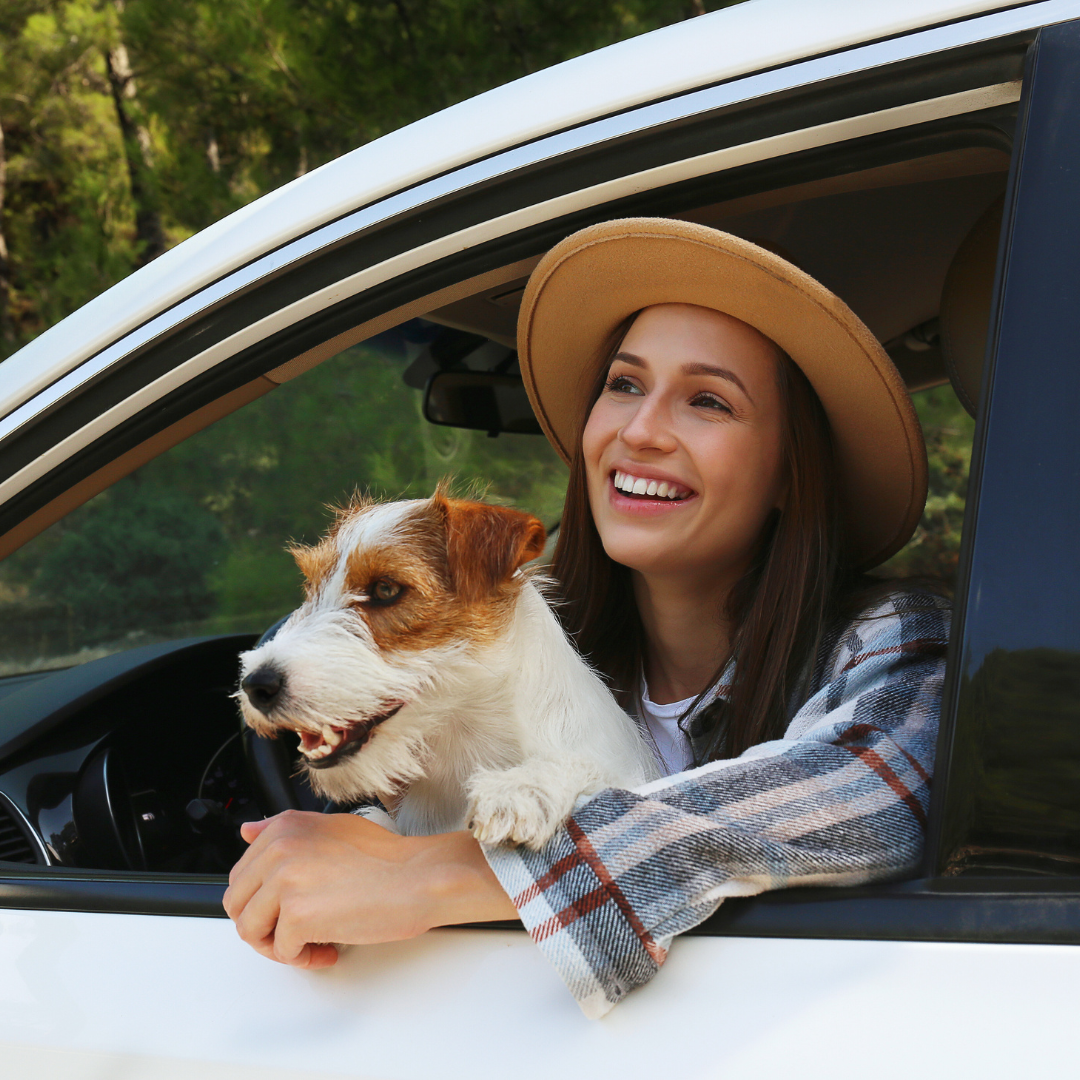
Taking a road trip with a dog can be an enjoyable and fulfilling experience, both for the traveller and their furry companion. Planning ahead is crucial to ensure that the journey is safe and comfortable for everyone involved. From selecting pet-friendly accommodations to preparing for rest breaks, travellers must consider various factors when embarking on this adventure.
When it comes to travelling with a dog, understanding its needs is essential. Dogs, like humans, can become restless and stressed during long drives. Ensuring they have enough exercise, regular toilet breaks, and plenty of water can help keep them calm and happy throughout the trip.
Road trips allow pet owners to create lasting memories while exploring new landscapes with their dogs by their side. With the right preparations in place, the experience can lead to deeper bonding moments and unforgettable escapades on the open road.
Planning Your Dog-Friendly Road Trip
A successful road trip with a dog requires careful planning. Key considerations include selecting destinations that cater to canine companions and ensuring health and safety requirements are met.
Selecting Dog-Friendly Destinations
When choosing destinations, it is essential to identify dog-friendly spots. Look for pet-friendly hotels, such as Airbnb options and dog-friendly hotel chains. Additionally, state and national parks frequently offer dog-friendly trails and parks, making them ideal for outdoor activities.
Before finalising plans, confirm that the locations are welcoming to pets by checking reviews and pet policy details. Create a list of dog-friendly hikes or local dog parks to visit upon arrival.
Be mindful of the weather, as certain climates may be unsuitable for dogs. Opt for locations that allow dogs to stay comfortably and provide access to necessary amenities.
Health and Safety Considerations
Health and safety are paramount when travelling with a dog. Ensure vaccinations are up-to-date, and obtain a health certificate from a veterinarian if required. Having a vaccination record handy is beneficial, especially for travelling across state lines.
Prior to departure, verify that the dog is microchipped and consider their specific health needs. Some dogs may require medications like Benadryl or CBD oil for anxiety.
Prepare a first aid kit with bandages, antiseptic wipes, and any specific medications. Don’t forget to include health records to keep all pertinent information at hand during the trip. Safety plans should also cover what to do if a car accident happens during the trip. Collisions are a real risk on long drives in heavy traffic. These events cause stress and physical harm to everyone in the vehicle. A professional personal injury attorney can help people deal with the aftermath of a crash. They explain how to handle insurance companies and legal claims. This information protects the family and the pet.
Packing Essentials
Packing appropriately can make a road trip more enjoyable for everyone. Essential items include food and water bowls, a comfortable dog bed, and a collapsible bowl for convenience during stops.
Other important supplies are a leash, collar, and a sturdy seat cover to protect the vehicle. Don’t forget treats and toys to keep the dog engaged and content.
Include a blanket for added comfort and poop bags for responsible clean-up during travel. A comprehensive dog road trip packing checklist can ensure nothing is left behind, allowing for a smooth journey.
On the Road
While on a road trip with a dog, proper planning for food, hydration, rest stops, and safety is essential. These factors can help ensure a comfortable and enjoyable journey for both the traveller and the pet.
Managing Food and Hydration
When travelling with a dog, maintaining a consistent feeding and hydration schedule is key. Owners should pack enough dog food for the entire trip, ideally in an airtight container to preserve freshness. It’s advisable to bring collapsible bowls, as they are lightweight and easy to store.
Always carry a supply of fresh water. Dogs can become dehydrated quickly, especially during long trips. Stop every couple of hours to allow the dog to drink and eat, if needed. It may help to establish a routine before departure to reduce anxiety.
Handling Rest Stops and Exercise
Regular rest stops are crucial for a dog’s well-being during a road trip. Frequent breaks provide opportunities for bathroom needs and stretching. Ideally, each stop should last 15-20 minutes to allow for a proper potty break and some exercise. Other than just physical relief, these pauses help lower a pet’s travel-related stress, making the long hours on the highway much more manageable.
Choose rest areas that are pet-friendly, offering ample space for the dog to roam. Short leashes are recommended for safety, especially in busy transit zones. For travelers who find that a standard passenger car feels too cramped for a large crate or multiple pets, upgrading to a more spacious vehicle can be a game-changer. Reaching out to a local RV dealer in Edmonton or elsewhere allows you to browse units with built-in climate control and dedicated floor space, ensuring your furry companions have a secure, temperature-regulated environment even when the engine is off. Using a dog bed during breaks can create a familiar and comfortable spot for the dog to rest.
Ensuring Comfort and Safety
Comfort and safety should be paramount in dog travel. A crash-tested safety harness or a well-ventilated carrier can protect the dog in case of sudden stops. It’s advisable to keep the dog secured in the back seat to prevent distractions while driving.
To reduce anxiety, familiar items such as a favourite blanket or toy can provide comfort. GPS collars can offer peace of mind in case the dog gets loose during rest stops. Regular checks on the dog’s behaviour can help monitor for signs of motion sickness or distress. The temperature inside the cabin also plays a major role in how relaxed a dog stays during a long drive. Direct sunlight streaming through the side windows can quickly overheat a pet, even when the air conditioning is on. Many car owners install protective films to block solar heat and UV rays before starting a long trip. Getting professional window tint and PPF at Karrite helps keep the interior cool while protecting the vehicle’s paint from scratches when pets jump in and out. This simple upgrade makes the cabin much more comfortable for animals and keeps the car looking good.
While ensuring a dog’s safety is crucial, accidents can still occur despite the best precautions. Unexpected incidents such as sudden stops or collisions caused by someone else’s negligence may result in injuries to both the pet and its owner. In such circumstances, seeking guidance from a Boston personal injury lawyer or similar professionals in the local area can be invaluable. These experts can help you understand your legal rights, manage insurance claims, and secure fair compensation for any damages or injuries sustained during travel. With reliable legal support, the focus can remain on recovery and your pet’s well-being.
Adhering to Rules and Regulations
When travelling with a dog, understanding and complying with various rules and regulations is crucial. This ensures a smooth journey and avoids potential issues at accommodations, parks, and public spaces.
Understanding Pet Policies
Many establishments have specific pet policies. Pet-friendly accommodations often vary in their rules, including size limits, the number of dogs permitted, and any applicable fees.
Before booking, it is essential to confirm the pet policy with the hotel or rental. Some may impose extra charges, like cleaning fees.
Additionally, many national and state parks have regulations regarding dogs. Restrictions can apply to certain trails, requiring dogs to be leashed at all times.
Local Considerations
Local dog parks and recreational areas usually have their own set of rules. Owners must ensure their dogs are compliant with leash laws and designated areas for pet play.
Some parks may also require dogs to be vaccinated up to date. Checking in advance for any regulations specific to dog-friendly activities, such as hiking or visiting dog-friendly restaurants, can prevent any hassles during the trip.
Being informed about local regulations helps ensure an enjoyable experience while prioritising safety and respect for others in the community.
Complying with Documentation Requirements
Before embarking on a road trip, ensuring the necessary documentation for the dog is vital. Vaccination records should be updated, particularly against common diseases. Many places require evidence of these vaccinations.
A health certificate may also be mandated, especially when crossing state lines or visiting national parks. This document certifies the dog’s health status.
Having these documents readily available can expedite entry into accommodations and recreational areas. It is advisable to keep both physical and digital copies to avoid misplacement.
Special Considerations for Different Breeds and Characters
When planning a road trip with a dog, it is essential to consider both the breed and individual personality. Different breeds have varying needs regarding exercise, anxiety management, and preferred activities. Tailoring a trip to these factors can enhance the experience for both the dog and its owner.
Breed-Specific Needs
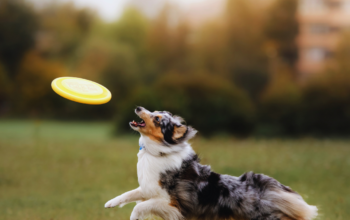
Certain breeds require specific care during travel. For instance, a Border Collie, known for high energy levels, needs ample exercise. Regular stops for playtime can prevent behavioural issues stemming from pent-up energy.
Small breeds may tolerate travel better in a collapsible crate, providing comfort and security. It’s essential to ensure that the crate is well-ventilated and familiar. Large breeds might benefit from a spacious vehicle and more frequent breaks for stretching and bathroom needs.
Feeding schedules should also align with the breed’s dietary requirements to prevent digestive upset. Providing familiar dog toys can alleviate travel anxiety.
Accommodating Your Dog’s Personality
A dog’s temperament impacts its travel experience. Dogs with high anxiety may require extra attention and reassurance during trips. Positive reinforcement, such as treats or verbal praise, can help them remain calm.
Using familiar toys, like a favourite ball, can provide comfort. Similarly, playing calming music may soothe anxious dogs during long stretches.
Conversely, a confident dog may enjoy exploring new environments. Engaging them in activities, such as fetching or exploring, can keep them stimulated and happy.
Adjusting the road trip itinerary based on the dog’s responses is crucial. Being observant can help owners modify plans to suit their dog’s unique personality.
Alternative Care Options
For dogs with severe anxiety or challenging behaviour, alternative care options should be considered. Dog boarding facilities offer a safe environment for dogs that may not handle travel well.
Hiring a dog sitter can also provide companionship in familiar surroundings, reducing anxiety. Engaging a sitter experienced with specific breeds ensures that unique needs are met.
For dogs that need special attention, scheduling visits with their regular caretaker, like a dog sitter, can make a significant difference. Each of these options contributes to the dog’s well-being during the trip, fostering a positive experience overall.